
Common Property Title Procedures and Issues When Buying or Selling a Home

What Buyers and Sellers Should Know about Property Title in Winnipeg Real Estate
Once your offer to purchase has been accepted, your financing has been approved and a closing date has been set, it may feel like the hardest part of the real estate process is complete. But before you receive the keys, there is one more important step that must happen: preparing and transferring the property title.
During the closing process, a real estate lawyer conducts a title search to ensure the property can legally transfer to the new owner. This step confirms that the seller actually owns the property and that there are no legal or financial claims attached to the title.
While most transactions proceed smoothly, sometimes issues appear during the title search that must be resolved before closing. Understanding common property title issues can help buyers and sellers avoid surprises and ensure the transaction moves forward without delays.
What Is a Property Title?
A property title is the legal record that identifies the ownership of a home or piece of land. It also contains important information about the property such as,
The legal owner of the property
This identifies the individual, individuals or entity that legally owns the property according to the land titles system.
Mortgages registered against the property
These are loans secured by the property. If a mortgage exists, the lender has a registered interest in the title until the loan is paid off.
Easements or rights-of-way
These are legal rights allowing others limited use of part of the property for specific purposes, such as utility access, drainage or shared driveways.
Restrictive covenants
These are rules attached to the property title that limit how the land can be used, such as restrictions on building types, property use or development.
Property boundaries and legal description
This defines the exact size, shape and location of the land using legal measurements and descriptions recorded in land titles.
Liens or legal claims against the property
These are financial or legal claims registered against the property, often due to unpaid debts such as contractor bills, taxes or court judgments.
Before the sale closes, the buyer’s lawyer reviews public land records to confirm the property can transfer with clear title, meaning there are no unresolved legal or financial issues tied to the property.
The Importance of a Title Search in Real Estate
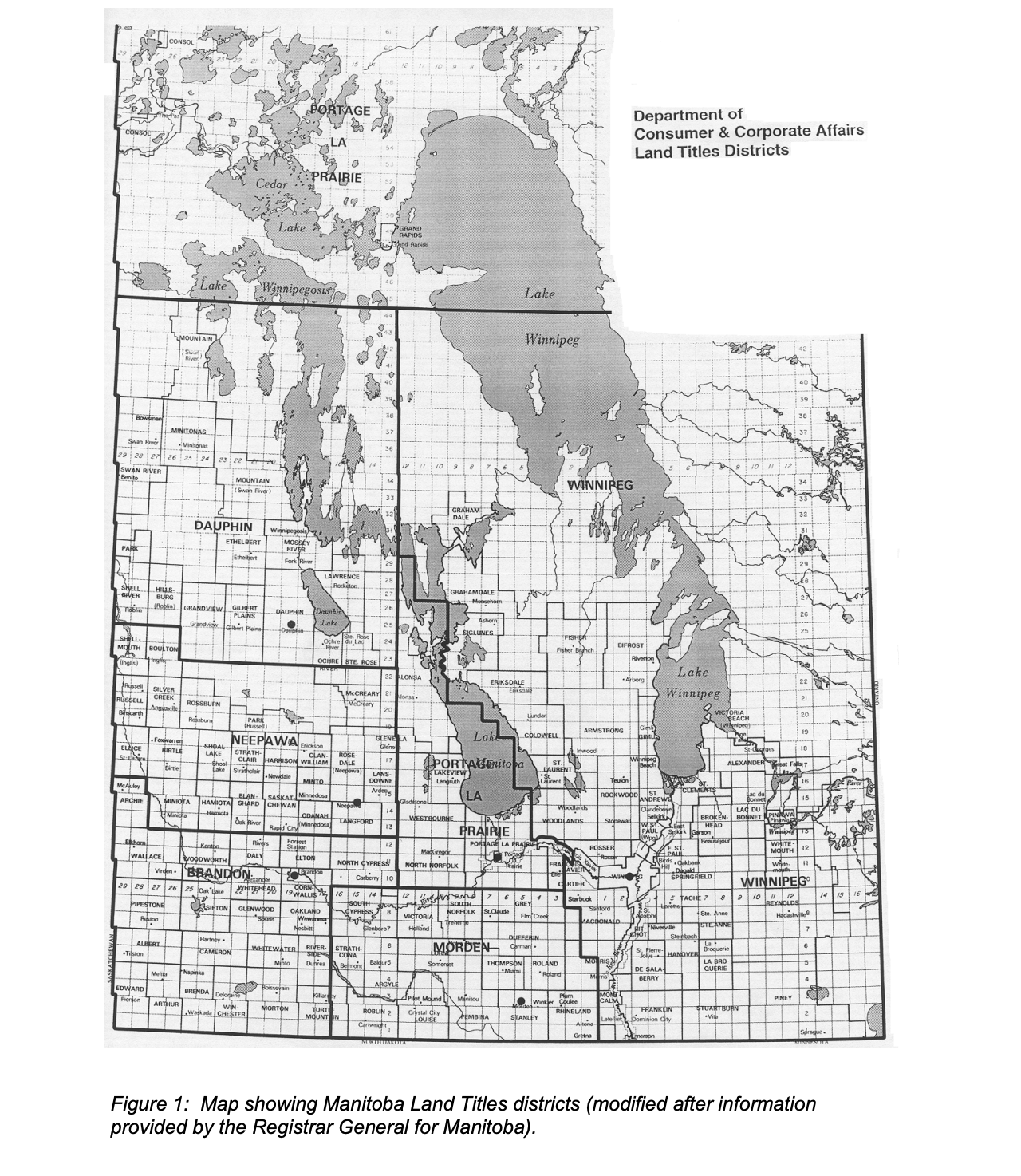
A title search is a detailed review of public land records that verifies the property's ownership history and identifies any claims or restrictions attached to the title. In Manitoba, title searches are conducted through the Manitoba Land Titles Office, which is part of the provincial Land Titles System administered by the Property Registry (Teranet Manitoba).
During this process, a real estate lawyer will,
-
Verify the seller legally owns the property
-
Confirm the property description matches the land records
-
Check for registered mortgages or financial claims
-
Review easements, rights-of-way and covenants
-
Ensure property taxes are paid
-
Identify any liens or legal judgments
If any issues are found, they must be resolved before ownership can legally transfer to the buyer.
Who Conducts the Title Search
Typically, the buyer’s real estate lawyer performs the title search as part of the closing process.
The lawyer reviews the title to ensure,
-
The seller is the legal owner of the property
-
There are no outstanding claims or liens
-
Any mortgages will be discharged on closing
-
The buyer will receive clear title to the property
This step is a critical part of protecting both the buyer and the lender before ownership is transferred.
Physical Land Titles Offices
While most searches are now done electronically, Manitoba still has Land Titles Offices located in,
-
Winnipeg
-
Brandon
-
Portage la Prairie
-
Dauphin
-
The Pas
These offices maintain the official land records for properties in their respective districts.

Common Property Title Issues That Can Delay Closing
Existing Liens on the Property
One of the most common issues discovered during a title search is a lien registered against the property.
A lien is a legal claim placed on a property due to unpaid debts. Examples may include,
-
Unpaid contractor invoices (builder’s liens)
-
Outstanding property taxes
-
Court judgments against the property owner
-
Unpaid government or tax debts
If these debts remain on title, they could legally transfer with the property.
Before closing, the seller’s lawyer must ensure these claims are paid and removed from title, usually using proceeds from the sale.
Encroachments and Boundary Issues
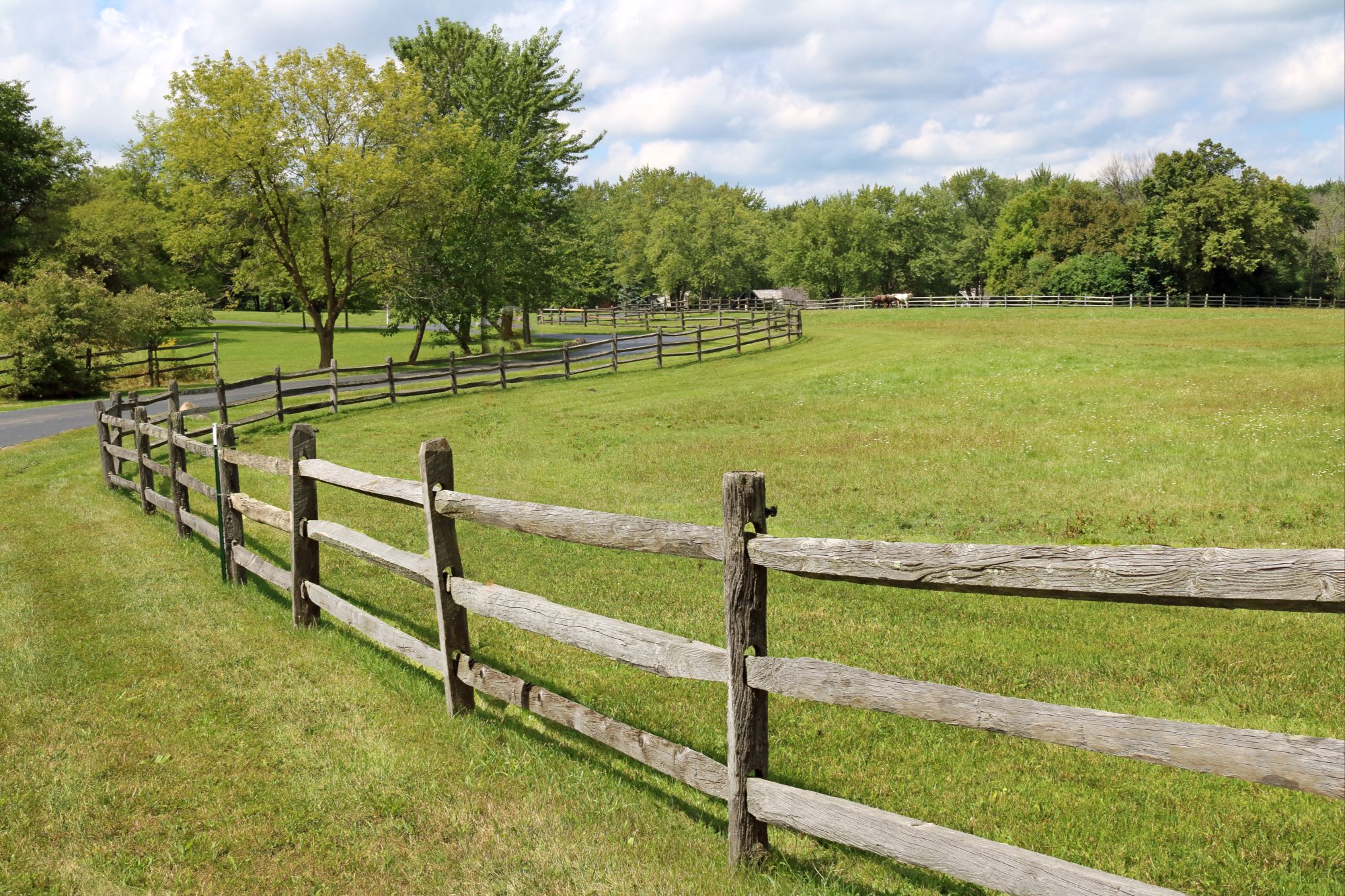
An encroachment occurs when a structure crosses over a property boundary.
Common examples include,
-
A fence built slightly over the property line
-
A shed or garage that crosses into a neighbour’s property
-
Landscaping extending onto adjacent land
-
A driveway shared between two properties
In more serious cases, an entire structure or addition may sit partially on another property.
Lawyers review the title to see whether an encroachment agreement or easement exists. If one has been registered, it typically transfers with the property and allows the structure to remain legally in place.
Easements and Rights-of-Way
An easement or right-of-way allows another party limited use of a portion of a property. These agreements are legal interests that are usually registered on the property title and remain in place when the property is sold.
Easements are more common and allows another party limited use of a portion of a property. Common examples include,
-
Utility access for hydro, gas or water lines
-
Shared driveway agreements
-
Drainage access
-
Municipal infrastructure access
Most easements are routine and do not create major issues, but they must be properly documented.
A right-of-way typically allows someone to travel across one property to access another. A common example is a shared driveway that provides access to garages or parking areas behind neighbouring homes. Because multiple parties rely on the same space, questions can arise about maintenance, snow clearing, parking or how the area can be modified.
Both easements and rights-of-way stay attached to the property title and continue to apply even when ownership changes.
Buyers should understand these registered interests, as they can affect how the land can be used or altered.

Title Fraud and Identity Concerns
Although rare, title fraud can occur when someone illegally transfers ownership of a property or registers a mortgage without the owner’s knowledge.
During the closing process, lawyers carefully verify identities and review the property's ownership history to identify suspicious activity.
Having both a REALTOR® and a lawyer involved in the transaction adds layers of protection. Title insurance also provides protection against losses related to fraud or forged documents.
Zoning and Legal Use Problems
Sometimes issues arise because the property has been used in ways that do not comply with local zoning regulations.
Examples may include,
-
A basement suite built without permits
-
A commercial business operating in a residential zone
-
Short-term rental use where local bylaws prohibit it
-
Renovations completed without proper permits
While zoning issues are technically municipal concerns rather than title defects, they can still affect property ownership and resale value.
Title insurance often provides protection when permits or compliance documentation cannot be verified.
Errors in Public Land Records
Occasionally problems arise due to mistakes in public land records.
These errors can include,
-
Incorrect legal descriptions
-
Missing easements
-
Incorrect property boundaries
-
Restrictive covenants applied to the wrong property
Land registration systems have evolved over time and historical records may contain inconsistencies. Real estate lawyers review historical documents to determine what should properly apply to the property.
How Title Insurance Protects Buyers
Title insurance has become common in real estate transactions because it protects buyers and lenders against unexpected title problems that may not appear during a title search.
Title insurance can provide protection against,
-
Undiscovered liens
-
Title fraud
-
Encroachments or boundary disputes
-
Errors in land registration records
-
Permit or zoning concerns
Rather than resolving every historical issue individually, title insurance offers financial protection if problems arise after closing.
Why Property Title Issues Matter
Property title issues can delay a real estate closing or create legal complications if not resolved properly. A thorough title search helps ensure the buyer receives clear ownership of the property and protects both parties from future disputes.
Most issues that arise during the title review process can be resolved with the help of experienced professionals before the transaction closes.

How the Name on a Property Title Is Changed After a Sale
In Manitoba, the transfer of a property title after a sale is handled by the buyer’s real estate lawyer as part of the closing process. The lawyer prepares the legal documents required to change ownership called a Transfer of Land and registers them with the Manitoba Land Titles Office through the Property Registry system. This document formally transfers ownership of the property from the seller to the buyer.
The process generally includes these steps,
-
The buyer’s lawyer prepares the Transfer of Land document based on the accepted offer to purchase.
-
The seller signs the transfer document, confirming the property is being transferred.
-
The buyer’s lawyer registers the document electronically through the Manitoba Land Titles system.
-
Once registered, the Land Titles Office updates the title record to reflect the new owner.
After registration, the buyer becomes the legal owner recorded on title, and the updated title document reflects the new ownership.
Who Handles the Title Registration
The buyer’s lawyer is responsible for registering the transfer of title because they represent the party acquiring the property.
The lawyer will also,
-
Ensure the seller’s mortgage is discharged
-
Register the buyer’s new mortgage (if applicable)
-
Pay property transfer tax
-
Confirm all legal conditions of the sale are satisfied
This registration process is completed on the closing day, and once it is accepted by the Land Titles Office, ownership officially changes.
Whose Name Goes on the Title
The names placed on the property title depend on how the buyers choose to take ownership.
Single Buyer
If only one person is purchasing the property, the title will be registered in that person’s name alone.
Married or Common-Law Couples
Couples purchasing together typically register ownership in one of two ways,
Joint Tenancy
This is the most common form of ownership for spouses.
-
Both individuals own the property equally.
-
If one owner passes away, their share automatically transfers to the surviving owner.
-
This is known as the right of survivorship, mandated by The Survivorship Act.
Tenants in Common
In this structure,
-
Each owner has a defined ownership share (for example 50/50 or another percentage).
-
Each person’s share can be passed on through their estate rather than automatically transferring to the other owner.
-
This structure is sometimes used for investment properties or blended family situations.
The buyer’s lawyer will ask the purchasers how they want the property registered before preparing the title transfer.
Multiple Buyers
When more than two buyers purchase a property — such as friends, business partners or family members — they can also choose between joint tenancy or tenants in common.
In these situations, tenants in common is often used because it allows owners to hold different ownership percentages based on their financial contributions.
Why This Decision Matters
How a property is registered on title can affect,
-
Estate planning
-
Ownership rights
-
Tax considerations
-
What happens if one owner passes away
Because of this, buyers often discuss their ownership structure with their lawyer before closing.
Final Thoughts
While property title issues are not common, they can happen in any real estate transaction. That’s why the title search process is such an important step before closing.
Working with a knowledgeable REALTOR® and an experienced real estate lawyer helps ensure potential title problems are discovered early and resolved properly.
Understanding how property titles work — and the issues that can arise — gives buyers and sellers greater confidence as they move through the closing process and toward successful homeownership.
Tara Zacharias, REALTOR®
Categories
Recent Posts






Leave a Reply
 REALTOR®
I became a REALTOR® because I truly enjoy helping people find the place that feels like home and because providing exceptional service during such an important moment in someone’s life is something I genuinely care about. Supporting sellers as they move on, move up, or move forward is just as meaningful, and being part of that transition is something I’m grateful to contribute to.
I make the buying or selling journey feel organized and approachable with clear communication and practical guidance. With an approach supported by market data, trends, and neighbourhood insights, you'll always understand what’s happening and how to make the most informed decisions.
Whether you’re buying your first home, selling a place filled with memories, or planning your next step, I’m here as someone who listens, shows up, and puts your goals at the centre of every decision. I'm focused on what serves you best and I make your best interests my TOP priority.
I'm Tara Zacharias, a real estate salesperson located in the vibrant city of Winnipeg. Thanks for stopping by and taking the time to get to know me!+1(204) 293-0933 tara@tarazacharias.com330 St Mary Ave, Winnipeg, MB R3C 3Z5, CAN
https://tarazacharias.com/