
Is Winnipeg a Good Place to Invest in Real Estate? Exploring Rental Demand, Prices and Long-Term Potential

Should You Invest in a Property in Winnipeg?
Winnipeg is often overlooked in national real estate conversations—but for investors focused on affordability, rental demand and long-term stability, it consistently stands out as a smart place to invest. Thinking about starting a real estate portfolio to generate passive income? Winnipeg, Manitoba is emerging as a hidden gem for real estate investors.
With lower average home prices than most major Canadian cities, a diversified economy and strong demand across multiple renter age groups, Winnipeg offers opportunities for both new and experienced real estate investors.
Winnipeg Real Estate Prices Compared to Major Canadian Cities
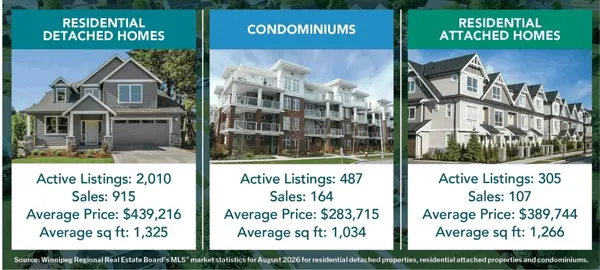
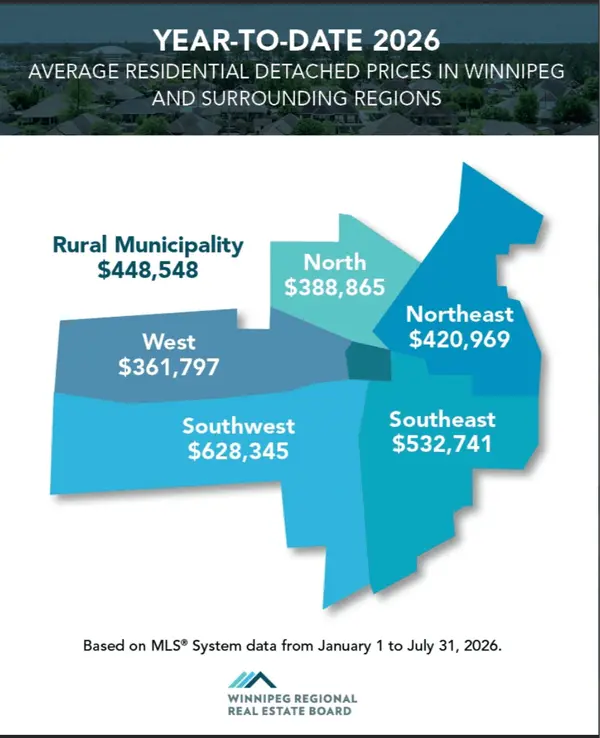
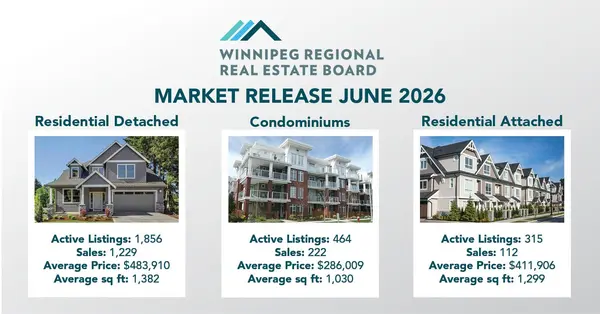
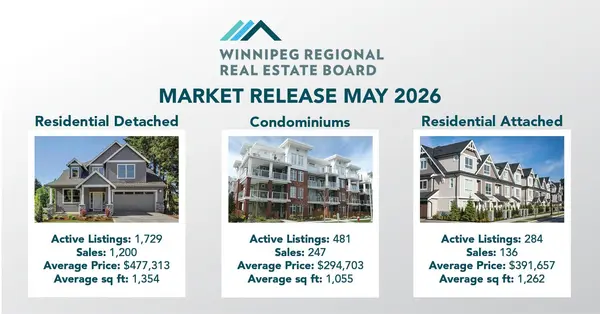
One of the strongest reasons investors look at Winnipeg real estate is price accessibility. Recent market activity can be provided in the form of statistics through the Winnipeg Regional Real Estate Board (WREBB). Lower acquisition costs allow investors to focus on cash flow and long-term returns instead of relying solely on appreciation.
While markets like Toronto and Vancouver require significant capital to enter, Winnipeg remains far more attainable.
-
Winnipeg: Average home prices in the low-to-mid $400,000 range
-
Toronto & Vancouver: Commonly over $1 million
-
Calgary & Montreal: Typically $550,000–$650,000
The Canadian Real Estate Association (CREA) provides a National Price Map that allows users to compare monthly statistics between cities.
Lower purchase prices often translate into,
-
Better cash-flow potential
-
Reduced financial risk
-
Easier qualification for financing
From an investment standpoint, this allows buyers to focus on income performance, not just appreciation.

Why Rental Demand Is Strong in Winnipeg
Rental demand in Winnipeg is supported by multiple long-term factors,
Economic Stability
Winnipeg’s economy is built on diverse, recession-resistant industries, including,
-
Healthcare - As of 2024, the sector employed an estimated 114,700 workers, representing 15.8% of Manitoba’s total employment, up 7.2% from 2023. Winnipeg is home to a large health research community affiliated with the University of Manitoba and the hospitals. Winnipeg is also home to two of the countries four National Microbiology laboratories.
-
Education - The Government of Canada Job Bank website states, Winnipeg is home to 62.4% (39,500) of all educational services workers in the province, which represents 9.3% of total employment for the region.
-
Advanced Manufacturing such as heavy vehicle, aircraft, space components, transit electrification and agricultaral equipment as an example. All backed by the largest research and development (R&D) tax credit in Canada – the Manitoba Research and Development Tax Credit – administered by the Canada Revenue Agency.
-
Transportation and logistics - Winnipeg is central to the eastern and western provinces by being in the middle, with a close proximity to the US border. Winnipeg Economic Development & Tourism has declared Winnipeg as North America's next transportation hub through the multiple transportation corridors planned by the development of Centreport Canada.
-
Government and public administration - In 2022, there were 42,600 people employed in the public administration sector in Manitoba, representing 6.3% of total employment in the province. Winnipeg is home to one of the four Canada Revenue Agency's Tax Centres.
Job Growth
-
New companies and manufacturing plants, including international firms, are moving into the area, increasing demand for housing.
-
A growing population of newcomers, early career professionals and those with areas of specialty/expertise.
- The Winnipeg film industry is booming as a $400 million+ sector, (approx. $365M in 2021-22) supporting over 11,000 jobs, driven by competitive tax credits, diverse locations like the historic Exchange District, and skilled crews.
Recent key facts about the state of Manitoba's labour market can be found at the Government of Canada Job Bank website.
This diversity helps keep employment steady, even during national slowdowns—an important factor for landlords.

Lifestyle, Culture and Community
Winnipeg offers,
-
Strong neighbourhood identities with multiple large community developments by such developers as Qualico, Exemplar, and Genstar.
-
Annual festivals and events, with a vibrant art scene of visual, literary, music, dance and performing art's. Residents and tourists can expect the annual Winnipeg Folk Festival and Folklorama.
-
Sports culture - Home to the Winnipeg Jets, Winnipeg Blue Blombers,The Goldeyes, Winnipeg Sea Bears and Manitoba Moose.
- Historical sites such as The Forks, The St.Boniface Cathedral and The Manitoba Legislative Building.
-
Short commute times and accessible amenities. The city has built the Perimeter Highway to act as Winnipeg’s main bypass route, helping traffic flow around, rather than through the city.
-
Proximity to schools, hospitals, recreational parks, waterways and paths
These factors encourage residents to stay long-term, which helps reduce tenant turnover.
Age Demographics That Drive Rental Demand in Winnipeg
Understanding who rents is just as important as understanding where to buy.
Young Adults (20–34)
This is one of the largest renter groups in Winnipeg.
Why they rent
-
Early career stage
-
Students or just completed education
-
Preference for flexibility, not having to commit to a home purchase
-
Rising interest rates and down payment barriers
What they want
-
Apartments, condos and smaller homes
-
Proximity to transit, downtown and restaurants/nightlife
-
Updated finishes and in-suite laundry
- Near recreational areas, parks, pathways
Strong demand for condos, secondary suites and centrally located rentals
Families and Mid-Career Renters (35–54)
Many families rent by choice or necessity.
Why they rent
-
Housing affordability
-
Job mobility
-
Waiting to purchase
What they want
-
Single-family homes or townhomes
-
Close proximity to schools and greenspace
-
Quiet neighbourhoods and yard space
- Near parks and ammenities
Single-family rental homes perform well in suburban areas.
Seniors and Downsizing Renters (55+)
Winnipeg has a growing population of older renters.
Why seniors rent
-
Downsizing from homeownership
-
Desire for low-maintenance living
-
Fixed or predictable incomes
What they look for
-
Main-floor living or elevators
-
Quiet buildings
-
Proximity to healthcare and services
Strong opportunity for bungalow rentals, accessible condos and age-friendly housing.
Affordable Housing & Mobility
Winnipeg has consistent demand for affordable and mid-range rental housing, driven by,
-
Early and mid-career workers
-
Students and those moving from rural towns
- Young families
-
Newcomers to Canada
These renters prioritize,
-
Reasonable rent - Canada Mortgage and Housing Corporation (CMHC) provides Rental Market Survey Data Tables for tenents, landlords and real estate investors to make comparisons among Canadian cities.
-
Reliable housing - Winnipeg experienced major housing growth in 2025, recording 4,993 housing starts, the second-highest annual total in the city’s history, according to Canada Mortgage and Housing Corporation (CMHC). With a 12.3% increase—more than double the Canadian average of 5.3%—this surge reflects successful zoning reforms, faster approvals and housing initiatives designed to expand supply and support Winnipeg’s continued growth.
-
Access to transit - Winnipeg’s Transit Master Plan is a long-term strategy to improve transit speed, reliability, and connectivity across the city, with full implementation projected over the next 25 years (to around 2045). For property investors, stronger transit networks can boost neighborhood accessibility, attract renters and support long-term property value growth, especially near major transit corridors and hubs.
- A bicycle and pedestrian network - The Transportation 2050 Reimagining Mobility is a broad report with the 2024 Pedestrian and Cycling Strategies that aim to improve safety, accessibility and active transportation as alternatives or complements to transit and driving. These strategies focus on creating a city-wide active transportation network with comfortable, accessible infrastructure such as multi-use pathways, safe crossings and connections that fill gaps in the current system.
Well-maintained, modest properties often outperform luxury rentals.
How HAF, Zoning Changes and Infill Housing Are Creating Opportunity in Winnipeg
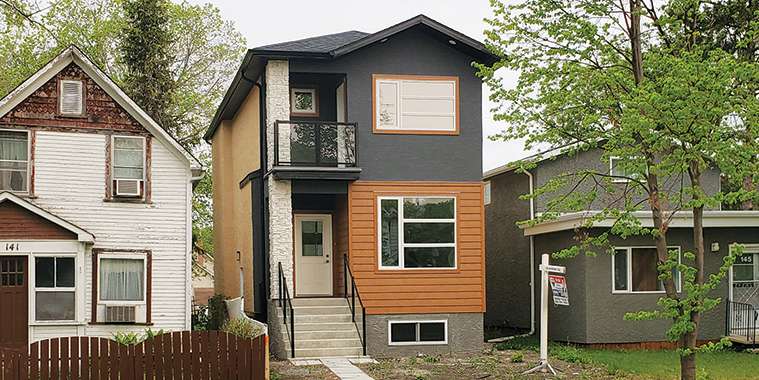
Winnipeg’s housing market is evolving quickly and recent policy changes are opening new doors for buyers, builders and real estate investors. Two major drivers behind this momentum include the federal Housing Accelerator Fund (HAF) and updated city-wide zoning rules designed to increase housing supply and modernize development.
The presentation can be read here, CITY OF WINNIPEG - HOUSING ACCELERATOR FUND (HAF) ZONING BY-LAW AMENDMENT
Together, these changes are also encouraging more infill housing — building new homes on vacant or underused land within existing neighbourhoods rather than expanding outward — helping Winnipeg grow in a smarter, more sustainable way.
What Is the Housing Accelerator Fund (HAF)?
The Housing Accelerator Fund (HAF) was created by the Government of Canada and is administered through the Canada Mortgage and Housing Corporation (CMHC) as part of Canada’s National Housing Strategy. It was designed to help cities like Winnipeg build more homes faster. Through funding support, HAF encourages zoning modernization, faster approvals, and increased housing supply, making it easier to create new rental, affordable and multi-unit housing across the city.
Key Highlights
-
Federal Funding Through HAF
Winnipeg has secured major federal support through the Housing Accelerator Fund to help build more homes faster and increase housing supply. -
Faster Development and Approvals
HAF encourages streamlined permitting and reduced red tape, helping projects move from planning to construction more efficiently. -
More Housing Types Allowed in Established Neighbourhoods
New zoning reforms support “missing middle” housing, including duplexes, triplexes, and fourplexes in more residential areas.
Key Winnipeg Zoning Changes Now Taking Effect
-
More Multi-Unit Housing Allowed City-Wide
Duplexes, triplexes, and fourplexes are now permitted in more residential neighbourhoods, increasing housing options beyond traditional single-family zoning. -
Increased Density Near Transit Routes
Within approximately 800 metres of high-frequency transit corridors, multi-unit housing can be built up to four storeys, supporting walkable, transit-oriented communities. -
Housing Opportunities on Commercial Corridors
Underused commercial sites, large retail areas, and vacant lots can now transition more easily into residential or mixed-use developments, unlocking redevelopment potential. -
Updated Planning Alignment Across the City
Winnipeg has updated zoning bylaws and local area plans to ensure long-term growth strategies align with these new housing regulations. -
Stronger Rental and Affordable Housing Growth
These reforms are helping expand purpose-built rental and affordable housing construction, responding to rising demand across Winnipeg.
On 6 June 2025 Winnipeg City Council adopted By-law 59/2025, the “Infill Housing Zoning By-law Amendment.” Read how Summit Design Build can get your duplex, triplex or fourplex built.
Together, HAF and zoning modernization are positioning Winnipeg for long-term housing growth, increased choice and strong real estate investment potential.
The Water Tower District: A Major Redevelopment in St. Boniface
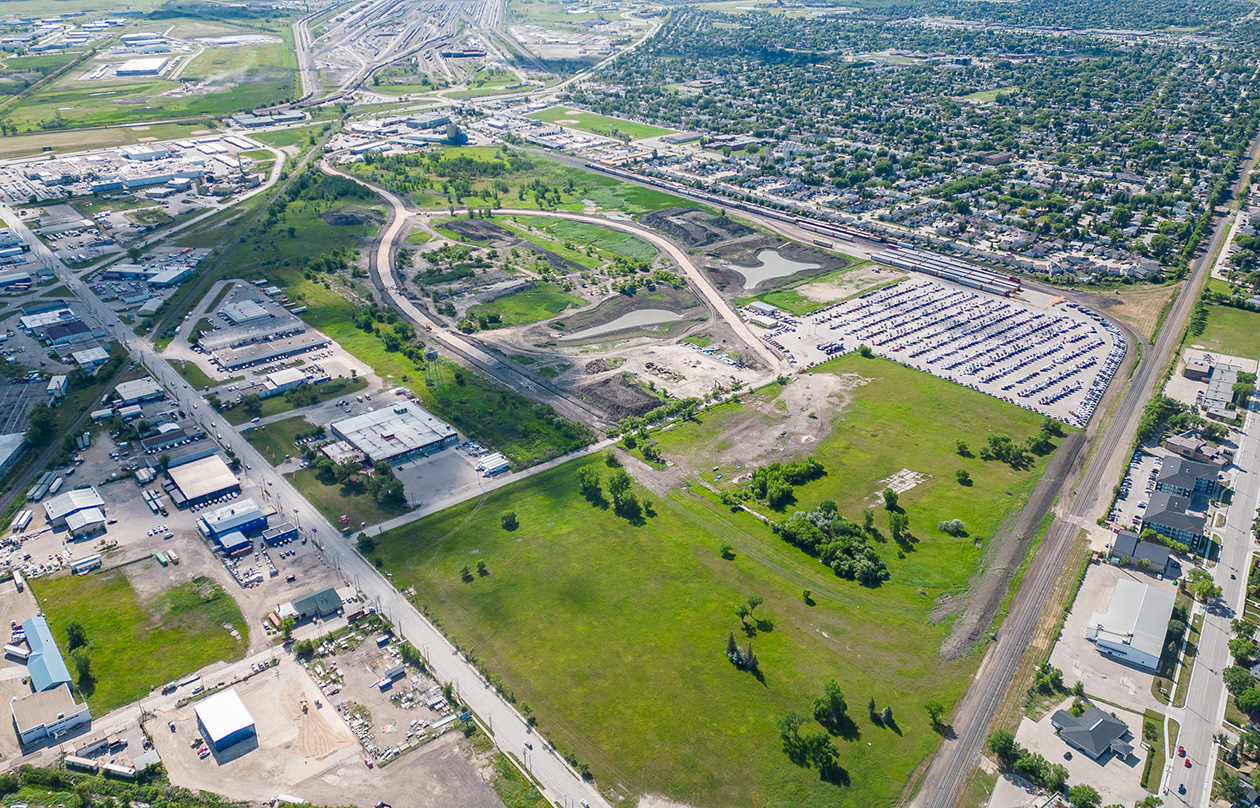
The Water Tower District is one of Winnipeg’s most significant redevelopment projects, transforming the former 165-acre Canada Packers meat packing plant site in St. Boniface into a vibrant mixed-use community. Located just four kilometres from downtown, the site has sat vacant since the plant was demolished in 2001 and is now positioned to become a major urban hub.
Led by Olexa Developments Ltd., the long-term plan includes:
-
At least 25 acres of residential development, focused primarily on multi-family housing
-
21 acres of retail and office space, including a major retail hub at Marion Street and Archibald Street
-
70 acres of light industrial space
-
22 acres of parkland and green space
Olexa has partnered with Winnipeg-based Shindico Realty Inc, which has acquired a majority interest in the retail component and is expected to bring a mix of national and local tenants to the area. Rezoning is underway to support expanded multi-family development, with the first residential phase currently targeted to begin construction in 2026.
With internal roads, underground services and site infrastructure already nearing completion, the Water Tower District is moving from vision to shovel-ready reality. Over the next 15 to 20 years, this former industrial site is expected to transform into a walkable, transit-connected neighbourhood that supports residential growth, local businesses and long-term investment in St. Boniface.
Cadillac Fairview and Shindico Unveil Major Redevelopment Plan for CF Polo Park
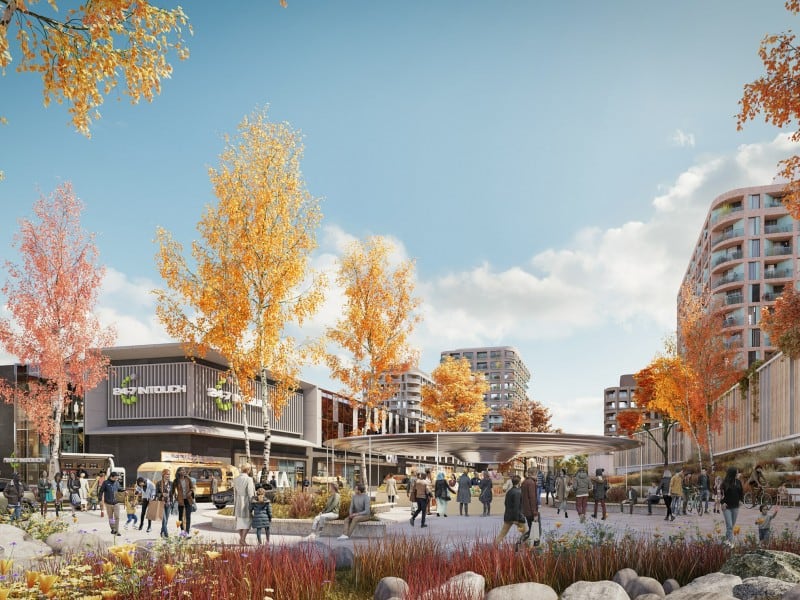
One of Winnipeg’s most significant redevelopment projects is taking shape at CF Polo Park, as shopping centre operator Cadillac Fairview partners with Shindico Realty to transform the mall property and surrounding lands into a vibrant mixed-use community.
The proposed Master Plan covers approximately 84 acres, including the former Canad Inns Stadium lands, and envisions a complete urban community centred around Manitoba’s largest shopping centre.
What the Polo Park Master Plan Includes
-
Approximately 4,000 residential rental units, designed to accommodate about 5,000 residents
-
Around a dozen mid-rise residential buildings, with potential for additional height if hotel or assisted living components are added
-
A focus on purpose-built rental housing, not condominiums
-
Expanded retail integrated with the existing CF Polo Park shopping centre
-
Potential for office and medical space
-
New parks, open spaces and pedestrian-friendly streets
-
Enhanced cycling and pedestrian connections
-
A blend of private and public streets creating a walkable, livable neighbourhood
The residential component is expected to be entirely rental, with Cadillac Fairview — owned by the Ontario Teachers’ Pension Plan — focused on long-term asset performance and stable cash flow. The vision is to create what developers describe as the premier rental community in Manitoba.
The development lands are bounded by Portage Avenue, St. James Street, St. Matthews Avenue and Empress Street, placing the project at the centre of one of Winnipeg’s busiest commercial and transportation corridors.
For buyers, renters and investors, the Polo Park redevelopment represents a generational opportunity in one of Winnipeg’s most established commercial hubs.
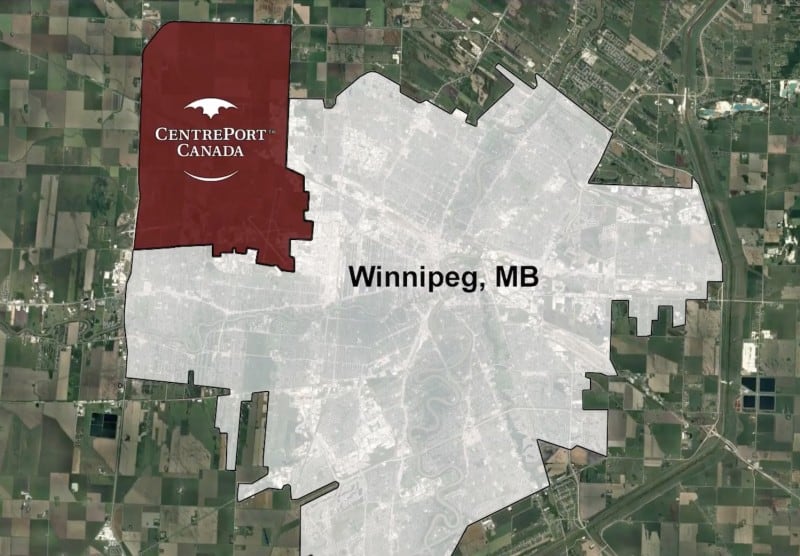
CentrePort Canada Rail Park: A Major Industrial Expansion in Winnipeg
CentrePort Canada continues to strengthen Winnipeg’s role as a national and international trade gateway with the development of the CentrePort Canada Rail Park, a 665-acre rail-serviced industrial project located in the R.M. of Rosser, adjacent to Winnipeg.
Announced in partnership with the Government of Manitoba, Focus Equities Inc. has been selected as the developer of this large-scale industrial expansion. The Rail Park is designed to combine industrial land with integrated logistics infrastructure, positioning Manitoba as a key hub for trade and distribution.
Key Highlights of the CentrePort Rail Park
-
665 acres of rail-serviced industrial land
-
Fully serviced lots ranging from 6.9 to 46.5+ acres, with options to combine parcels
-
Zoned I3 – Heavy Industrial
-
Build-to-suit opportunities available
-
Direct access to the Canadian Pacific main east-west rail line
-
Located within federal interswitching zones allowing access to three Class 1 rail carriers
-
Interstate-quality highway access on both sides of the park
-
Trimodal transportation connectivity — rail, truck and air cargo integration
The project is expected to create more than 4,800 direct and indirect jobs and deliver significant economic impact to Manitoba’s GDP. With its strategic location in the heart of Canada, CentrePort supports efficient movement of goods across North America and internationally.
For industrial investors, logistics companies and large-scale operators, the CentrePort Canada Rail Park represents one of the most unique heavy industrial opportunities in the Canadian marketplace.
Choosing the Right Investment Property in Winnipeg
Single-Family Homes
-
Attract families and long-term tenants
-
Lower turnover
-
Easier management
Duplexes & Triplexes
-
Higher total income potential
-
Vacancy risk spread across units
-
Strong demand in mature neighbourhoods
Condos
-
Popular with young professionals and downsizers
-
Lower maintenance
-
Location and condo fees must be carefully evaluated
Legal and Financial Considerations for Investors
Tenancy Regulations
Manitoba’s Residential Tenancies Branch (RTB) regulates,
-
Rent increases. - The 2026 rent increase guideline is 1.8 per cent, effective January 1, 2026.
-
Lease terms
-
Security deposits and notices
This creates predictability for investors but requires compliance.
Rent Status Reports for Winnipeg Landlords
Winnipeg landlords can access a Rent Status Report through Manitoba’s Residential Tenancies Branch, which provides a record of the lawful rent for a rental unit. This is a helpful tool when setting rent, renewing leases, purchasing an investment property, or ensuring compliance with provincial rental regulations.
Taxes and Expenses
Rental income must be reported, and many expenses may be deductible,
-
Mortgage interest
-
Repairs and maintenance
-
Insurance
-
Property management fees
Consulting a tax professional experienced in real estate investing is strongly recommended.
Common issues, information and forms for Landlords can be found here, at the Residential Tenancies Branch
Considerations
-
Property taxes vary by neighborhood—check with the City of Winnipeg on how property-tax mill rates are calculated.
-
Foreign investors should review federal and provincial property ownership rules.
-
Multi-unit conversions or major renovations must comply with zoning regulations.
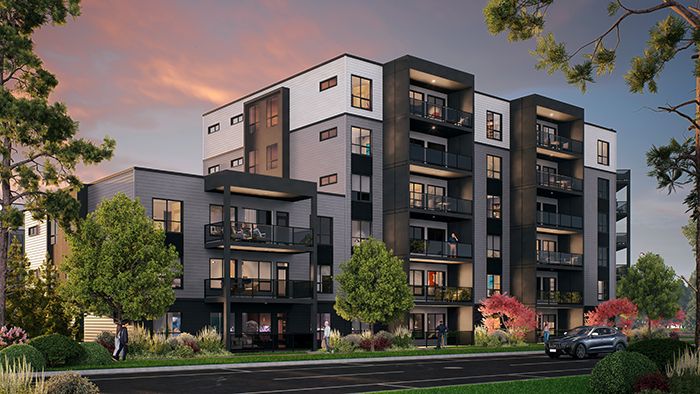
Long-Term Investment Outlook in Winnipeg
Winnipeg real estate historically shows,
-
Gradual, steady appreciation
-
Fewer dramatic price swings
-
Reliable rental occupancy
For investors focused on long-term ownership, income stability and equity growth, this slower, steadier pace is often an advantage—not a drawback.
Tips for Buying Investment Property in Winnipeg
1. Negotiate the Right Price
-
Almost every element of a property purchase is negotiable
-
Purchase price
-
Closing costs and fees
-
Fixtures and appliances
-
Down payment and closing dates
-
-
Think about your long-term financial needs when making offers.
2. Location, Location, Location
-
Analyze neighborhoods for,
-
Market value and capital growth
-
Occupancy rates and rental demand
-
Proximity to schools, transit, and amenities
-
-
Suburban and rural neighborhoods may offer higher space for tenants valuing remote-work lifestyles.
3. Conduct a Cash Flow Analysis
-
Calculate expected rental income vs. expenses: mortgage, taxes, insurance, repairs, property management fees.
-
Ensure the property can generate positive cash flow and sustain unexpected costs.
4. Get a Professional Inspection
-
Confirm the plumbing, foundation, electrical systems, and heating are up to code.
-
Avoid unexpected repair costs and protect your investment.
5. Consider Professional Property Management
-
Helpful for absentee investors or multi-unit properties.
-
Handles tenant screening, maintenance, rent collection, and legal compliance.
FAQ
1. Is Winnipeg good for first-time investors?
Yes—lower prices and steady rental demand make it ideal for beginners.
2. Which rental property performs best?
Single-family homes attract long-term tenants, while duplexes/triplexes generate higher total income.
3. How strong is rental demand?
High, thanks to population growth, students, and newcomers who prefer renting.
4. Do I need a property manager?
Not always, but recommended for multi-unit properties or absentee owners.
5. Are there restrictions for foreign investors?
Some federal rules apply, but many can still invest in Winnipeg. Always check current policies.
Key Terminology for Winnipeg Real Estate Investors
| Term | Definition |
|---|---|
| Cash Flow | The net income from a property after all expenses (mortgage, taxes, insurance, maintenance, and management) are paid. Positive cash flow means the property earns more than it costs to hold. |
| Gross Rental Income | The total income generated from rent before expenses are deducted. Helps estimate potential returns before factoring in costs. |
| Net Operating Income (NOI) | Rental income minus operating expenses (taxes, insurance, repairs, utilities). Shows true profitability of a property. |
| Cost of Acquisition | Total cost to purchase a property, including purchase price, closing costs, legal fees, inspection costs, and taxes. |
| Low Entry Cost | Affordability of starting a property investment. Winnipeg is considered low entry compared to Toronto or Vancouver. |
| Appreciation | Increase in property value over time, which can provide long-term gains in addition to rental income. |
| Leverage | Using borrowed money (mortgage) to increase the potential return on investment. Proper leverage allows investors to grow their portfolio with less upfront capital. |
| Return on Investment (ROI) | Measures profitability relative to the total investment, including cash flow and appreciation. |
| Occupancy Rate | The percentage of time a property is rented out; high occupancy indicates strong demand and predictable income. |
| Tenant Screening | Process of evaluating potential tenants for creditworthiness, rental history, and reliability to minimize risks. |
| Property Management | Professional services that handle tenant relations, maintenance, rent collection, and compliance with local laws. |
| Remote Work Trend | Shift toward flexible or remote work has increased demand for larger, suburban or rural properties. |
| Capitalization Rate (Cap Rate) | NOI divided by the property’s purchase price. Helps compare investment properties and evaluate potential returns. |
| Equity | The portion of the property you actually own. Builds over time as you pay down your mortgage or as the property appreciates. |
| Depreciation | Accounting of property value loss over time for tax purposes, which can reduce taxable income from rental properties. |
| Vacancy Rate |
Percentage of time a property is empty. Lower vacancy rates indicate a strong rental market. |
| Investment Capital |
In real estate refers to the money or financial resources an investor uses to purchase, improve or grow an investment property. |
| Passive Income |
Money earned with minimal ongoing effort after an initial investment. In real estate, it often comes from rental properties, where investors collect rent, build equity over time and benefit from potential property appreciation. |
How These Terms Apply to Winnipeg Real Estate
-
Gross Rental Income and Occupancy Rates are particularly important in Winnipeg because rental demand is high across all demographics, including students, families and newcomers.
-
Leverage is commonly used to purchase multiple properties while keeping upfront costs low. Winnipeg’s affordable market makes this easier than in Toronto or Vancouver.
-
Appreciation is moderate but steady in Winnipeg, giving investors a safe long-term growth strategy.
-
ROI and Cap Rate help investors compare single-family homes, duplexes, or small apartment buildings to choose the best property for their goals.
Is Investing in Winnipeg Real Estate Worth It?
Whether you’re starting your first property or expanding your portfolio, Winnipeg provides long-term income potential and opportunities to build wealth through real estate.
For investors seeking,
-
Lower entry costs
-
Multiple renter demographics
-
Stable economic drivers
-
Consistent rental demand
Understanding the market, demographics, legal requirements and terminology will give investors the confidence to make profitable decisions. Winnipeg remains one of Canada’s most practical real estate investment markets.
It may not make headlines—but it quietly delivers.
Tara Zacharias, REALTOR®
Categories
Recent Posts






Leave a Reply
 REALTOR®
I became a REALTOR® because I truly enjoy helping people find the place that feels like home and because providing exceptional service during such an important moment in someone’s life is something I genuinely care about. Supporting sellers as they move on, move up, or move forward is just as meaningful, and being part of that transition is something I’m grateful to contribute to.
I make the buying or selling journey feel organized and approachable with clear communication and practical guidance. With an approach supported by market data, trends, and neighbourhood insights, you'll always understand what’s happening and how to make the most informed decisions.
Whether you’re buying your first home, selling a place filled with memories, or planning your next step, I’m here as someone who listens, shows up, and puts your goals at the centre of every decision. I'm focused on what serves you best and I make your best interests my TOP priority.
I'm Tara Zacharias, a real estate salesperson located in the vibrant city of Winnipeg. Thanks for stopping by and taking the time to get to know me!+1(204) 293-0933 tara@tarazacharias.com330 St Mary Ave, Winnipeg, MB R3C 3Z5, CAN
https://tarazacharias.com/