Down Payment Requirements for Investment Properties in Manitoba

What Investors Need to Know about Down Payment Requirements
for Investment Properties in Manitoba
Real estate investing in Manitoba continues to attract both new and experienced investors seeking long-term wealth through rental income and property appreciation. However, financing an investment property differs significantly from financing a primary residence. Understanding down payment requirements, lender expectations and underwriting standards can help investors position themselves for approval and maximize their buying power.
How Much Down Payment Is Required for an Investment Property?
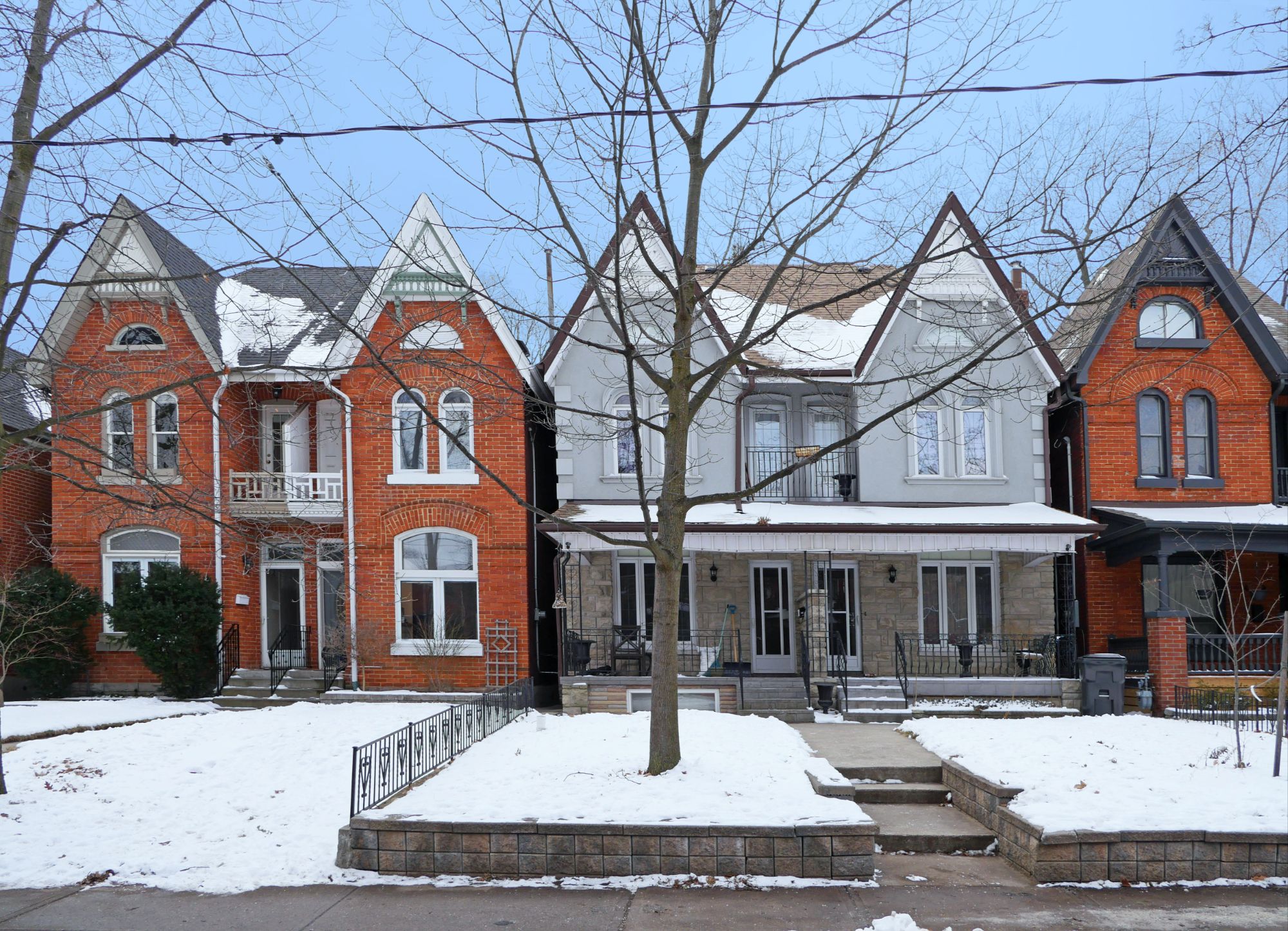
The minimum down payment for an investment property depends on the property type, occupancy and lender guidelines.
Single-Family Rental Properties
For a non-owner-occupied single-family home, most lenders require a minimum down payment of,
- 20% through conventional financing
- Some alternative lenders may require 25% or more
For example, a $400,000 rental property would typically require a minimum down payment of $80,000.
Duplexes, Triplexes and Fourplexes
Down payment requirements vary based on whether the owner occupies one of the units.
Owner-Occupied Multi-Family Properties
- As little as 5% down may be possible for certain owner-occupied properties
- CMHC-insured financing may be available
Non-Owner-Occupied Multi-Family Properties
- Typically require 20% to 25% down
- Larger properties may require higher equity contributions
Five or More Units
Properties with five or more residential units are generally considered commercial real estate by lenders.
Typical requirements include,
- 25% to 35% down payment
- Strong cash flow analysis
- Commercial underwriting standards
Does the Condition of the Property Matter?
Absolutely.
The condition of the property can significantly impact financing options.
Livable Properties
Traditional lenders generally prefer properties that are,
- Structurally sound
- Heated year-round
- Equipped with functioning plumbing and electrical systems
- Suitable for immediate occupancy
These properties are typically eligible for conventional mortgage financing.
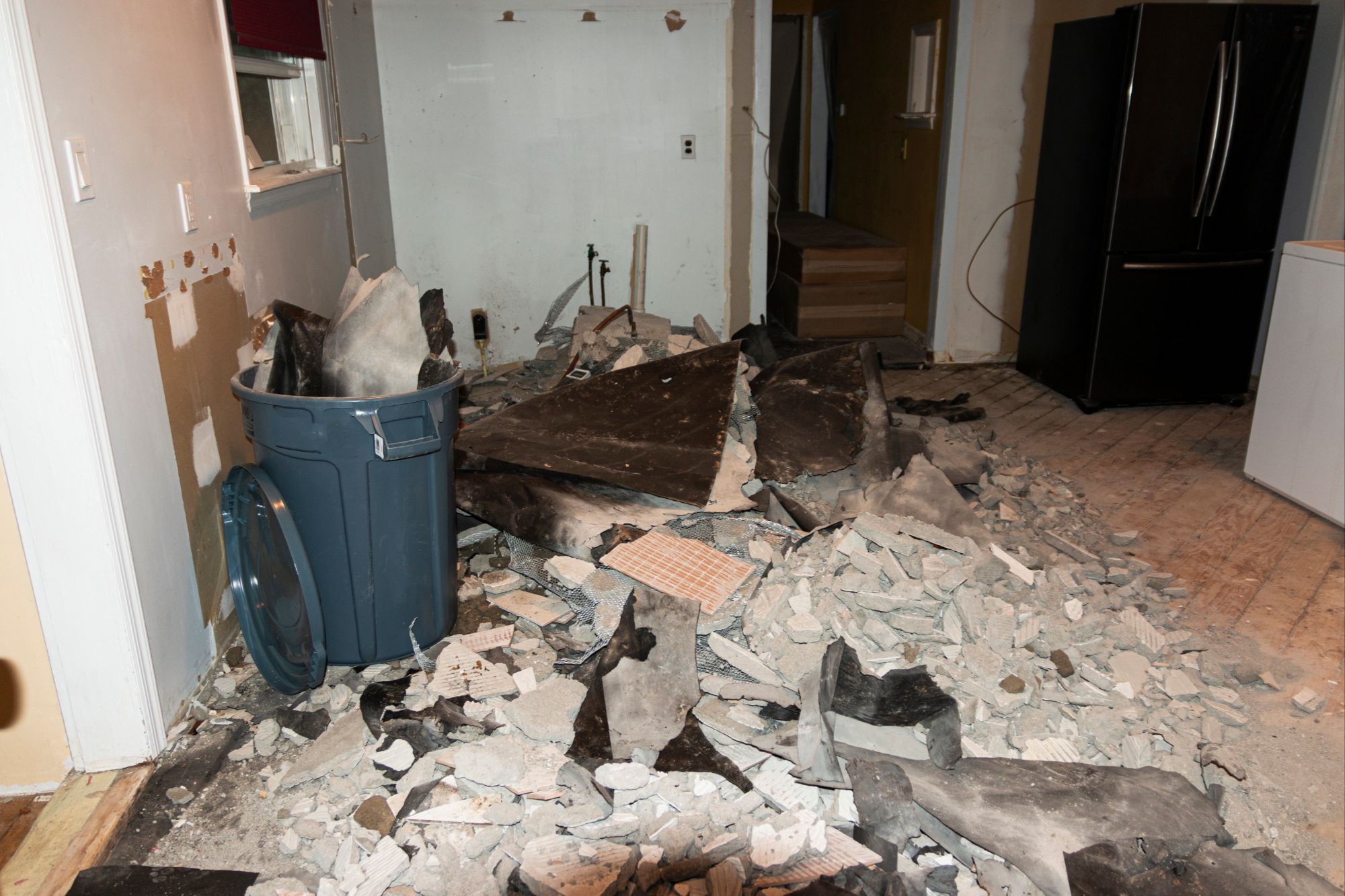
Properties Requiring Renovation
Homes requiring significant repairs may not qualify with many traditional lenders.
Examples include,
- Major foundation issues
- Missing kitchens or bathrooms
- Extensive water damage
- Unsafe electrical systems
- Vacant or boarded properties
In these situations, investors may need to explore,
- Alternative lenders
- Private lenders
- Construction financing
- Purchase-plus-improvements programs
The more extensive the renovation, the more scrutiny lenders apply to both the property and the borrower's financial strength.
Understanding Different Types of Lenders
A Lenders (Major Banks and Credit Unions)
These lenders generally offer,
- Lowest interest rates
- Longest amortization options
- Most competitive terms
However, they also maintain the strictest qualification standards.
They typically look for,
- Strong credit scores
- Stable income
- Proven rental property experience (for larger portfolios)
- Adequate reserves
Alternative or B Lenders
Alternative lenders often serve borrowers who,
- Have non-traditional income
- Are self-employed
- Have recently repaired credit
- Need financing for unique properties
These lenders generally require,
- Higher down payments
- Stronger equity positions
- Higher interest rates
Private Lenders
Private financing is often used when,
- Properties require extensive renovations
- Investors need fast approvals
- Conventional financing is unavailable
Private lenders focus heavily on,
- Property value
- Exit strategy
- Equity position
Interest rates and fees are typically higher than institutional financing.
Underwriting Standards: What Lenders Evaluate
Down payment is only one piece of the approval process.
Lenders evaluate several key factors when underwriting investment property mortgages.
Credit Profile
Most institutional lenders prefer,
- Credit scores above 680
- Strong repayment history
- Low levels of consumer debt
Higher scores generally improve financing options and rates.
Debt Service Ratios
Lenders calculate,
Existing mortgages, credit cards, vehicle loans and personal debt all impact qualification.
Rental Income Analysis
Rental income helps offset carrying costs, but lenders rarely use 100% of projected rent.
Depending on the lender, they may use,
- 50% to 80% of rental income
- Market rent estimates
- Existing lease agreements
Each lender applies its own rental offset methodology.

Liquid Capital Requirements
One area many investors overlook is liquidity.
Lenders want assurance that borrowers can withstand unexpected expenses such as,
- Vacancies
- Emergency repairs
- Tenant turnover
- Interest rate increases
Many lenders prefer borrowers to maintain several months of mortgage payments in accessible savings after closing.
Common sources of liquid capital include,
- Cash savings
- High-interest savings accounts
- Investment accounts
- Redeemable GICs
The stronger the liquidity position, the stronger the application.
Existing Equity Can Strengthen an Application
Investors who already own real estate often leverage existing equity to expand their portfolio.
Common strategies include,
- Refinancing existing properties
- Home equity lines of credit (HELOCs)
- Second mortgages
- Equity take-outs from rental properties
Lenders generally view experienced investors with significant equity more favourably, especially when combined with strong cash flow and liquidity.
Understanding Cash Flow Dynamics
Cash flow remains one of the most important metrics in investment property analysis.
Positive cash flow occurs when rental income exceeds,
- Mortgage payments
- Property taxes
- Insurance
- Maintenance costs
- Vacancy allowances
- Property management fees
Lenders increasingly focus on whether a property can support itself financially.
A property that generates positive cash flow may improve financing opportunities, while a negative cash flow property may require stronger borrower income and larger reserves.
Property Type Matters
Not all investment properties are financed the same way.
Lenders often apply different standards to:
Single-Family Homes
- Easiest financing options
- Widest lender availability
Duplexes to Fourplexes
- Strong rental income potential
- Slightly more complex underwriting
Multi-Family Properties (5+ Units)
- Commercial financing standards
- Greater emphasis on net operating income
Rural Properties
- May require larger down payments
- Additional appraisal scrutiny
Mixed-Use Properties
- Often financed through commercial lending programs
- Require specialized underwriting
Final Thoughts
Successful real estate investing begins with understanding lender expectations before making an offer. While a 20% down payment is often the starting point for Manitoba investment properties, approval decisions extend far beyond the initial equity contribution.
Property condition, lender type, cash flow, available liquid capital, existing equity and overall underwriting strength all play critical roles in securing financing. Investors who prepare strong applications and maintain healthy reserves are often positioned to access better financing options and grow their portfolios more effectively over time.
Before purchasing an investment property, it is wise to speak with a mortgage professional who understands Manitoba's investment property market and can help structure financing that aligns with your long-term investment strategy.
Tara Zacharias, REALTOR®
Categories
Recent Posts





Leave a Reply
 REALTOR®
I became a REALTOR® because I truly enjoy helping people find the place that feels like home and because providing exceptional service during such an important moment in someone’s life is something I genuinely care about. Supporting sellers as they move on, move up, or move forward is just as meaningful, and being part of that transition is something I’m grateful to contribute to.
I make the buying or selling journey feel organized and approachable with clear communication and practical guidance. With an approach supported by market data, trends, and neighbourhood insights, you'll always understand what’s happening and how to make the most informed decisions.
Whether you’re buying your first home, selling a place filled with memories, or planning your next step, I’m here as someone who listens, shows up, and puts your goals at the centre of every decision. I'm focused on what serves you best and I make your best interests my TOP priority.
I'm Tara Zacharias, a real estate salesperson located in the vibrant city of Winnipeg. Thanks for stopping by and taking the time to get to know me!+1(204) 293-0933 tara@tarazacharias.com330 St Mary Ave, Winnipeg, MB R3C 3Z5, CAN
https://tarazacharias.com/