What Is Cash Flow in Real Estate? A Guide for Property Investors
Understanding Cash Flow in Real Estate Investing
Cash flow is one of the most important concepts in real estate investing. Whether you're purchasing your first rental property or expanding a portfolio of investment properties, understanding cash flow can help you make smarter investment decisions and build long-term wealth.
Simply put, cash flow is the money left over after all property-related expenses have been paid. Positive cash flow means your rental property generates more income than it costs to operate. Negative cash flow means you're spending more than you're earning each month.
For many investors, cash flow is the foundation of a successful real estate investment strategy because it provides consistent income while allowing the property to appreciate in value over time.
What Is Cash Flow?
The basic formula for cash flow is,
Cash Flow = Rental Income – Property Expenses
Rental income typically includes,
- Monthly rent payments
- Parking fees
- Storage rental fees
- Laundry income
- Pet fees (where applicable)
Property expenses may include,
- Mortgage payments
- Property taxes
- Insurance
- Utilities
- Property management fees
- Maintenance and repairs
- Vacancy costs
- Condo fees (if applicable)
Example of Cash Flow
Let's say a rental property generates
- Monthly rent: $2,000
Monthly expenses include,
- Mortgage: $1,100
- Property taxes: $250
- Insurance: $100
- Maintenance reserve: $150
- Vacancy reserve: $100
Total expenses: $1,700
Monthly cash flow,
$2,000 - $1,700 = $300 positive cash flow
In this scenario, the property generates $300 per month or $3,600 annually in positive cash flow.
Positive vs. Negative Cash Flow in Real Estate
Understanding the difference between positive cash flow and negative cash flow is essential for real estate investors.
Positive Cash Flow
A property has positive cash flow when rental income is greater than all expenses, including mortgage payments, property taxes, insurance, maintenance, and vacancy costs.
Example,
- Rental Income: $2,200/month
- Expenses: $1,900/month
Cash Flow: +$300/month
Positive cash flow provides monthly income, helps cover unexpected expenses, and supports long-term portfolio growth.
For many investors, a positive cash flow property is the goal because it generates income while building equity.
Negative Cash Flow
A property has negative cash flow when expenses exceed rental income.
Example,
- Rental Income: $2,000/month
- Expenses: $2,300/month
Cash Flow: -$300/month
Negative cash flow means the investor must contribute money each month to cover costs.
While some investors accept negative cash flow in high-growth markets with strong appreciation potential, it comes with greater financial risk.
Which Is Better?
For most investors, positive cash flow real estate offers a more stable and sustainable investment strategy. It generates ongoing income, reduces financial pressure, and helps protect against vacancies and unexpected expenses. Before buying any rental property, always calculate projected cash flow to ensure the investment aligns with your financial goals.
Why Cash Flow Matters for Real Estate Investors
1. Creates Passive Income
Positive cash flow provides investors with ongoing monthly income. This income can supplement employment earnings, fund retirement, or be reinvested into additional properties.
2. Reduces Investment Risk
Properties with strong cash flow are generally more resilient during economic downturns. Rental income can help cover expenses even when property values fluctuate.
3. Supports Portfolio Growth
Positive cash flow can be used to save for future down payments, property improvements, or additional investment opportunities.
4. Improves Financing Opportunities
Lenders often view cash-flowing properties favorably because they demonstrate an investor's ability to generate income and manage debt obligations.
Cash Flow and Property Investing in Manitoba
For investors considering rental properties in Manitoba, cash flow remains one of the key metrics when evaluating investment opportunities.
Compared to many major Canadian cities, Manitoba has historically offered relatively affordable property prices combined with strong rental demand. This can create opportunities for investors seeking positive cash flow rather than relying solely on appreciation.
Read the blog "Is Winnipeg a Good Place to Invest in Real Estate? Exploring Rental Demand, Prices and Long-Term Potential."
Several factors influence cash flow in Manitoba's rental market,
Affordable Entry Prices
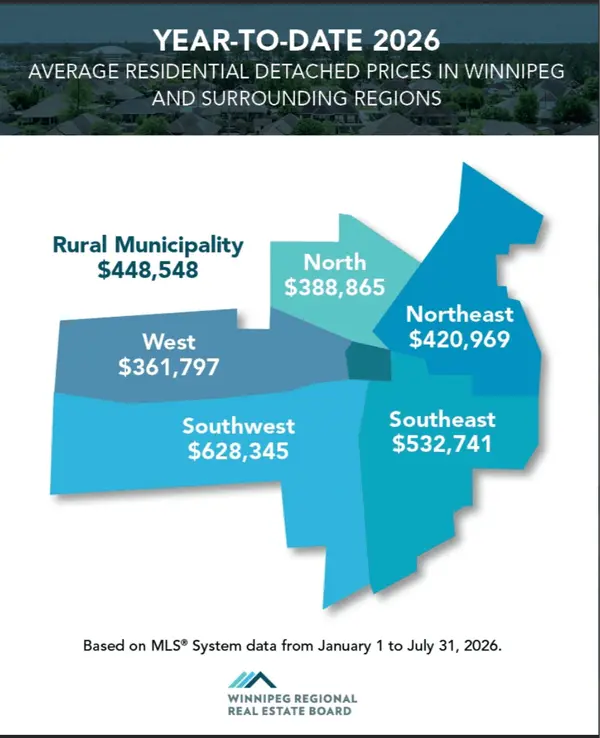
Lower acquisition costs can result in smaller mortgage payments, helping investors achieve stronger monthly cash flow. The National Price Map provided by the Canadian Real Estate Association (CREA) allows investors to compare property prices through out different regions.
Stable Rental Demand
Population growth, immigration, students, and workforce mobility continue to support demand for rental housing in many Manitoba communities. Access Manitoba Bureau of Statistics, at https://www.gov.mb.ca/mbs/ for recent data and reports.
Property Taxes and Operating Costs
Investors should carefully evaluate local property taxes, insurance costs, and maintenance expenses when calculating projected cash flow.
Vacancy Rates
Understanding vacancy trends in specific neighbourhoods is essential.
The Canada Mortgage and Housing Corporation provides statistics through the Housing Market Information Portal, read the Manitoba — Historical Rental Market Statistics Summary.
Lower vacancy rates can improve rental stability and help maximize cash flow.

How to Calculate Cash Flow Before Buying a Rental Property
Before purchasing an investment property, investors should conduct a detailed cash flow analysis.
Step 1: Estimate Monthly Rental Income
Research comparable rental properties in the area to determine realistic rental rates.
Step 2: Calculate Operating Expenses
Include,
- Property taxes
- Insurance
- Utilities
- Repairs and maintenance
- Property management
- Vacancy allowance
Step 3: Include Mortgage Costs
Calculate your anticipated monthly mortgage payment based on your financing terms.
Step 4: Determine Net Cash Flow
Subtract all expenses from rental income to determine your expected monthly cash flow.
A conservative approach often helps investors avoid surprises and better manage risk.
Common Mistakes That Hurt Cash Flow
Underestimating Repairs
Unexpected maintenance costs can significantly impact profitability. Setting aside a reserve fund is critical.
Ignoring Vacancy Costs
Even strong rental markets experience vacancies. Smart investors budget for periods without tenants.
Overpaying for a Property
Paying too much for an investment property can make positive cash flow difficult to achieve.
Focusing Only on Appreciation
Many investors purchase properties expecting future price increases. While appreciation is valuable, cash flow provides immediate financial benefits and stability.
Strategies to Improve Cash Flow
Investors can improve cash flow through several approaches,
Increase Rental Income
- Renovate units strategically
- Add parking or storage rentals
- Offer premium amenities
- Review market rents regularly
Reduce Expenses
- Improve energy efficiency
- Shop for competitive insurance rates
- Conduct preventative maintenance
- Appeal property tax assessments when appropriate
Optimize Financing
Lower interest rates, larger down payments, or refinancing opportunities can improve monthly cash flow.
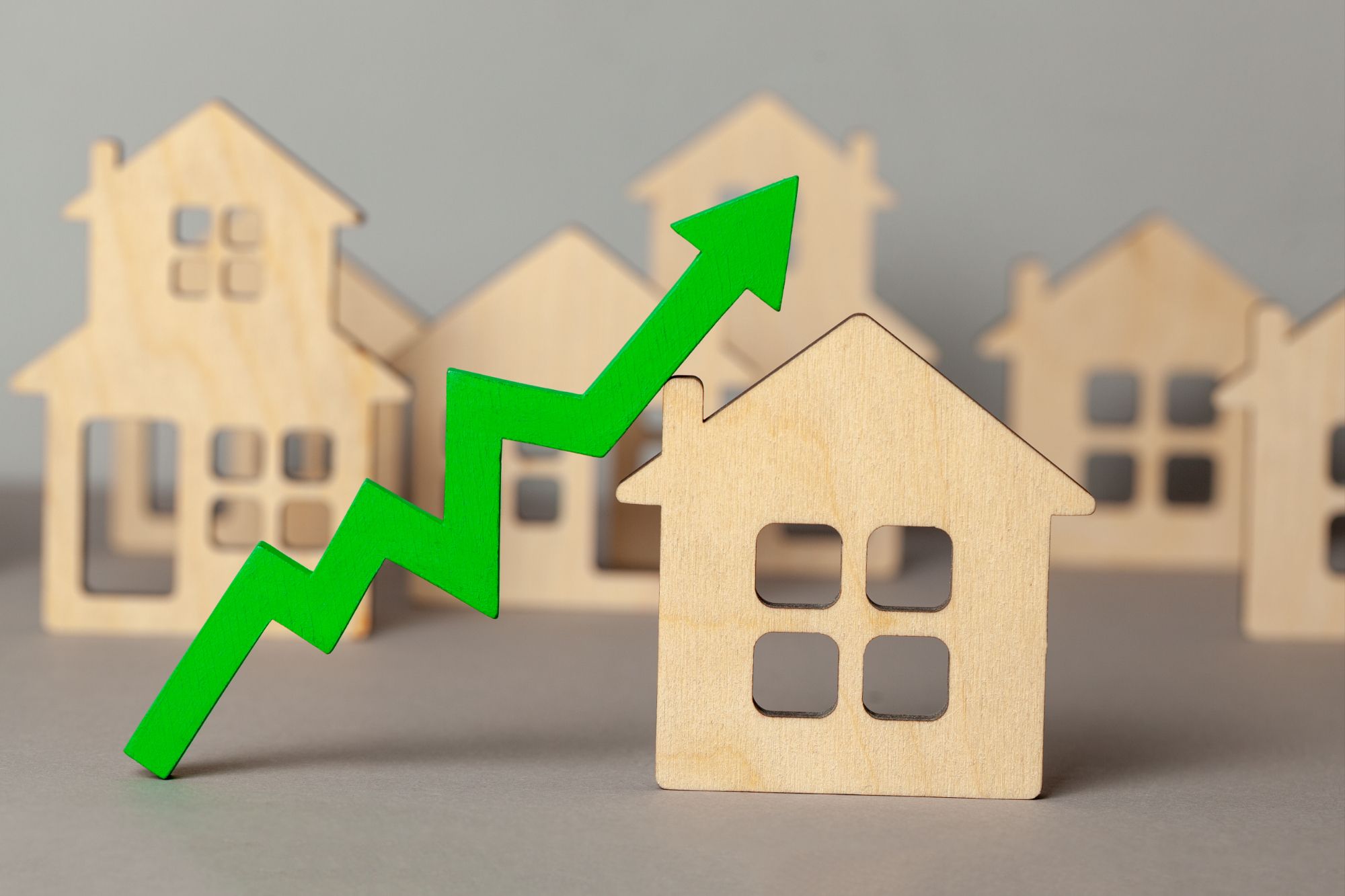
Cash Flow vs Appreciation: Which Is More Important?
Both cash flow and appreciation play important roles in real estate investing.
Cash Flow Benefits
- Immediate income
- Reduced financial stress
- Improved portfolio sustainability
Appreciation Benefits
- Long-term wealth creation
- Increased equity
- Potentially larger future returns
Many successful investors seek properties that provide both positive cash flow and long-term appreciation potential.
Final Thoughts
Cash flow is one of the most important metrics for evaluating a real estate investment. It measures how much money a property generates after all expenses have been paid and provides investors with a clear picture of a property's financial performance.
For investors exploring rental properties in Manitoba, understanding cash flow can help identify profitable opportunities, reduce risk, and build a sustainable investment portfolio. By carefully analyzing income, expenses, financing costs, and local market conditions, investors can make informed decisions that support both immediate returns and long-term wealth creation.
Whether you're purchasing your first rental property or expanding an existing portfolio, prioritizing positive cash flow can help create a stronger and more resilient real estate investment strategy.
Tara Zacharias, REALTOR®
Categories
Recent Posts






Leave a Reply
 REALTOR®
I became a REALTOR® because I truly enjoy helping people find the place that feels like home and because providing exceptional service during such an important moment in someone’s life is something I genuinely care about. Supporting sellers as they move on, move up, or move forward is just as meaningful, and being part of that transition is something I’m grateful to contribute to.
I make the buying or selling journey feel organized and approachable with clear communication and practical guidance. With an approach supported by market data, trends, and neighbourhood insights, you'll always understand what’s happening and how to make the most informed decisions.
Whether you’re buying your first home, selling a place filled with memories, or planning your next step, I’m here as someone who listens, shows up, and puts your goals at the centre of every decision. I'm focused on what serves you best and I make your best interests my TOP priority.
I'm Tara Zacharias, a real estate salesperson located in the vibrant city of Winnipeg. Thanks for stopping by and taking the time to get to know me!+1(204) 293-0933 tara@tarazacharias.com330 St Mary Ave, Winnipeg, MB R3C 3Z5, CAN
https://tarazacharias.com/