
Possession Day for Homebuyers: What to do Within the First 24 Hours

What to Check in Your New Home on Possession Day
Possession day is exciting—but it’s also one of the most important days in the home-buying process.
In Manitoba, possession day is the date set out in the Offer to Purchase, when legal ownership has transferred and the buyer is entitled to possession of the property. Once the keys are in your hand, the responsibility for the property officially becomes yours, so it’s critical to do a thorough walkthrough and a few necessary tasks right away.
To protect yourself and your investment, here’s a few recommendations of what to do on possession day and within the first 24 hours.
1. Do a Full Walkthrough Immediately
As soon as you get access to the property, do a detailed walkthrough. Don’t assume everything is fine just because it looked good during the final viewing.
Check every area, including
-
All interior rooms
-
Basement (finished and unfinished)
-
Garage (attached or detached)
-
Storage rooms
-
Attic access (if visible)
-
Exterior areas (yard, decks, sheds, fences)
Bring your purchase agreement with you so you can confirm the condition of the property and verify all inclusions are present.
2. Confirm All Inclusions Are There
Your offer to purchase will list inclusions—items that must remain with the home. Common inclusions in Manitoba homes include,
-
Refrigerator
-
Stove/oven
-
Dishwasher
-
Washer and dryer
-
Window coverings
-
Light fixtures
-
Garage door openers
-
Air conditioning units
-
Sheds or outdoor structures (if included)
Most inclusions listed in the purchase agreement are chattels, meaning movable items that must be specifically included to remain with the home. Buyers should also take time on possession day to inspect fixtures, as these permanently attached items are typically included by default and should be present and in working condition.
Make sure everything listed is still in place and in working order. If something is missing or damaged, document it right away.
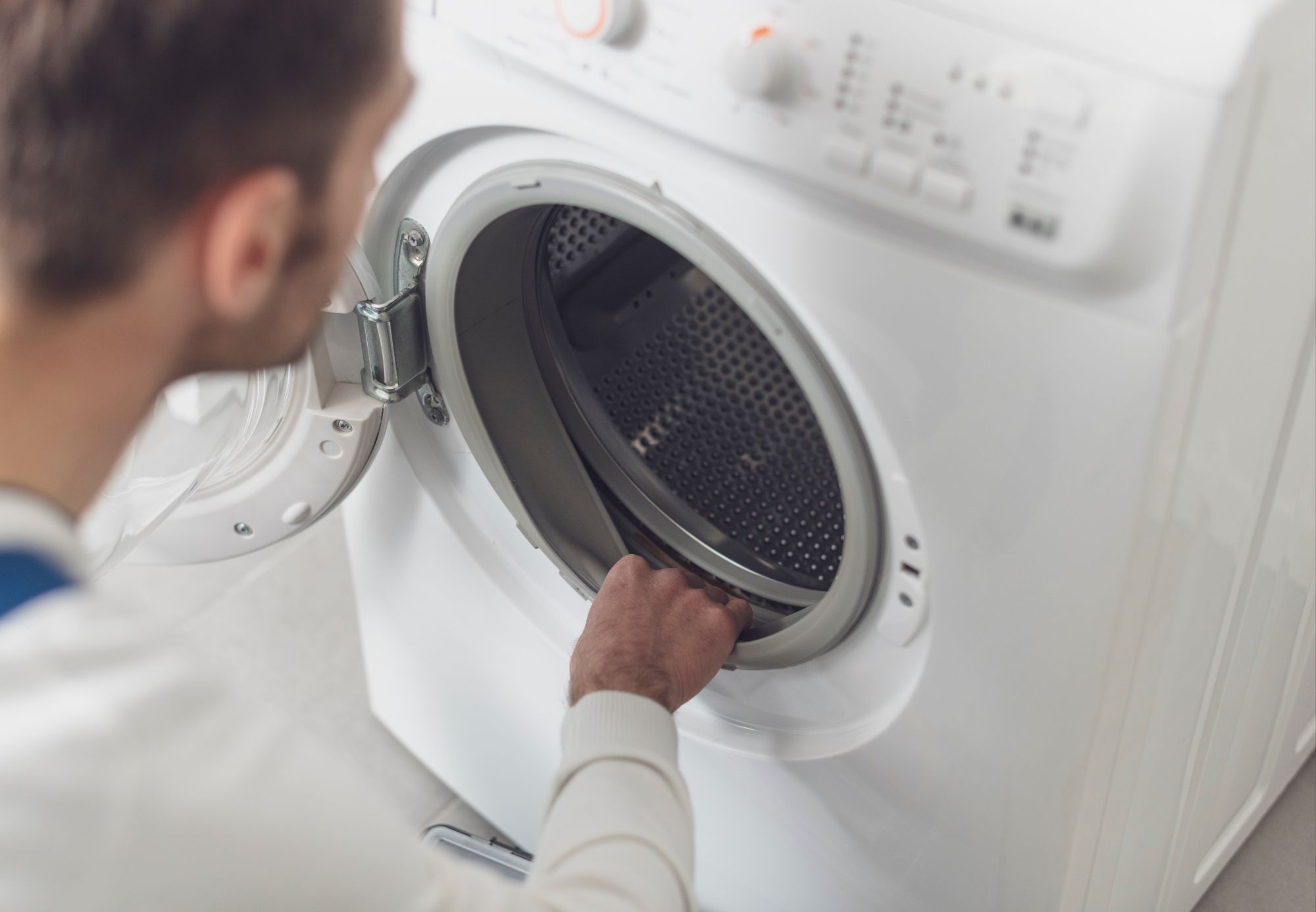
3. Check All Systems Within the First 24 Hours
This step is critical. Most real estate contracts expect buyers to report issues promptly.
Plumbing
-
Run all taps (hot and cold)
-
Flush every toilet
-
Check under sinks for leaks
-
Test showers and tubs
-
Look for slow drains or water pressure issues
-
Check sump pump operation (especially in basements)
Electrical
-
Turn on all lights
-
Test all outlets (a plug tester is helpful)
-
Check GFCI outlets in kitchens, bathrooms, and outdoors
-
Test garage power and exterior outlets
-
Confirm the electrical panel is accessible and labeled
Heating & Cooling
In Manitoba, this is especially important due to extreme seasonal temperatures.
-
Test the furnace and thermostat
-
Check heat registers in all rooms
-
If applicable, test central air conditioning
-
Check baseboard heaters or secondary heat sources
-
Confirm humidifiers or HRVs are working (if included)
Appliances
-
Run the dishwasher
-
Turn on the oven and stove
-
Test the fridge and freezer temperatures
-
Run the washer and dryer (even a short cycle)
-
Check the range hood and bathroom fans
4. Inspect the Garage and Exterior Areas
Don’t overlook these spaces—they’re part of the property too.
-
Test garage door openers and remotes
-
Check garage lighting and outlets
-
Inspect the garage floor and walls for damage
-
Check exterior doors and locks
-
Look at grading around the home
-
Inspect decks, steps, and railings
-
Check that downspouts are connected and directing water away
5. Set Up Utilities Ahead of Time
Ideally, utilities should be transferred before possession day, but if not, do it immediately.
Common Manitoba utilities to confirm,
-
Electricity, regulated through Manitoba Hydro
-
Natural gas (Not regulated in Manitoba, compare rates at energyrates.ca)
-
Water and sewer (in Winnipeg through the city)
-
Internet and cable, through your choice of provider
-
Garbage and recycling pickup (in Winnipeg through the city services)
Make sure services are active so you can properly test all systems.
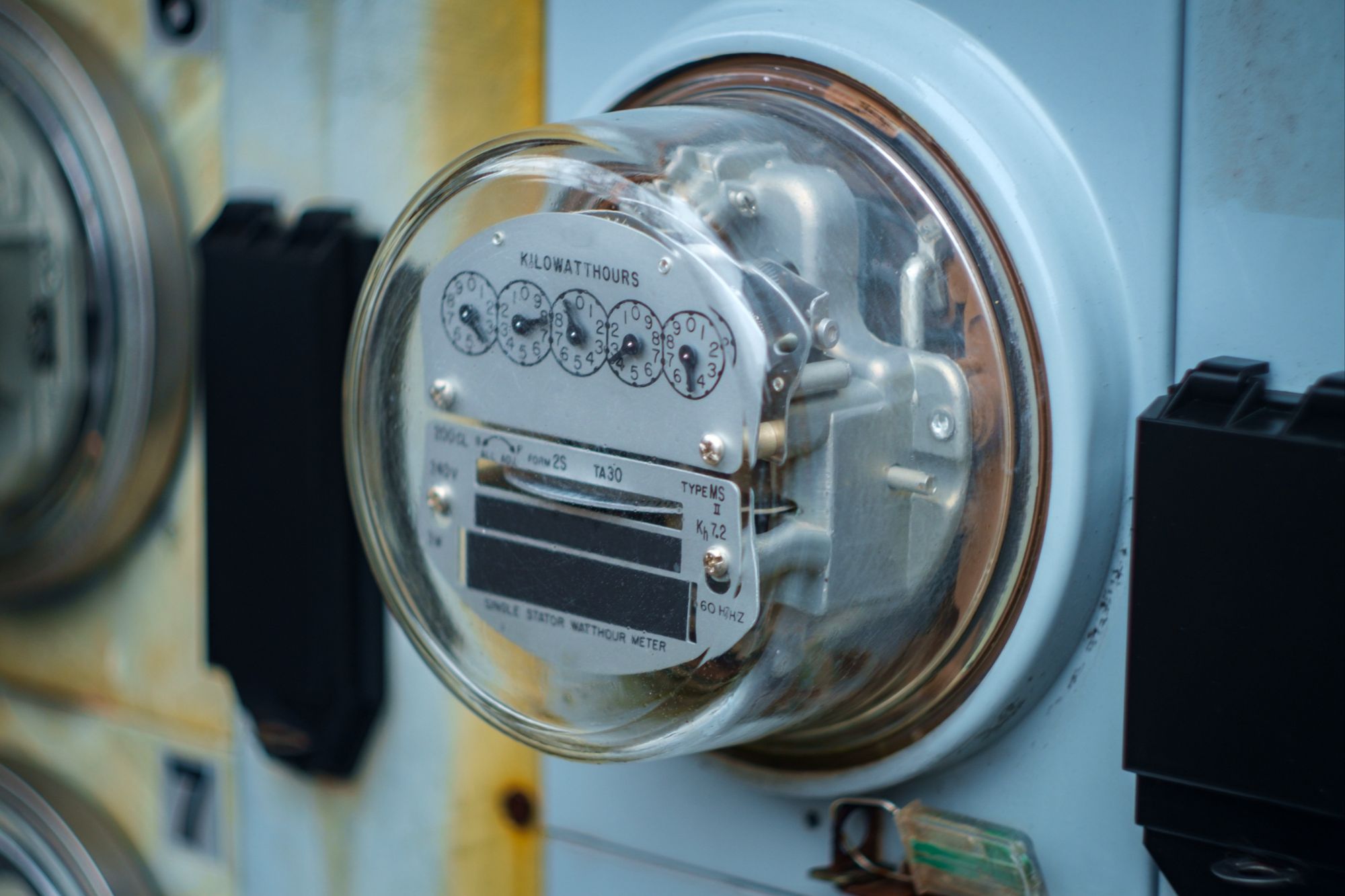
6. Take Meter Readings
On possession day, record
-
Electricity meter reading
-
Gas meter reading
-
Water meter reading (if applicable)
Take photos with timestamps. This helps avoid billing disputes and ensures you’re only paying for usage from your possession date onward.
7. Document Everything
If you find any issues,
-
Take clear photos and videos
-
Write down dates and details
-
Notify your REALTOR® or lawyer promptly
Quick documentation can make a big difference if something needs to be addressed under the terms of your agreement.
8. Change Locks and Secure the Property
Even if the sellers handed over all keys,
-
Change exterior door locks
-
Reprogram garage door openers
-
Update alarm codes (if applicable)
You never know how many spare keys are still out there.
Does This Checklist Apply to All Home Types?
Yes. The core possession day steps apply to all types of homes. What differs is the scope of responsibility depending on the property type.
Possession Day Responsibilities by Home Type
| Home Type | Buyer Responsibility | Key Focus Areas |
|---|---|---|
| Detached Home | Entire property and all systems | Furnace, AC, plumbing, electrical, roof, foundation, garage, yard |
| Attached Home | Interior and unit-specific systems | Shared walls, separate utilities, exterior responsibility |
| Condominium | Interior of the unit only | Appliances, fixtures, electrical panel, plumbing shut-offs, parking and storage |
| Mobile Home | Structure and systems (varies by ownership) | Skirting, tie-downs, utility connections, heating type |
| Rural or Acreage | Entire property and private systems | Well, septic, sump pump, outbuildings |
Understanding what is privately owned versus shared or managed by a third party helps ensure buyers test the correct systems and avoid assumptions.
Final Thoughts
Possession day isn’t just about picking up keys—it’s about protecting your new home from day one. A careful walkthrough, system checks within 24 hours and proper documentation can save you time, money and inconvenience down the road.
Take it slow, check everything and don’t hesitate to contact your REALTOR® if something doesn’t seem right.
Tara Zacharias, REALTOR®
Categories
Recent Posts




Leave a Reply
 REALTOR®
I became a REALTOR® because I truly enjoy helping people find the place that feels like home and because providing exceptional service during such an important moment in someone’s life is something I genuinely care about. Supporting sellers as they move on, move up, or move forward is just as meaningful, and being part of that transition is something I’m grateful to contribute to.
I make the buying or selling journey feel organized and approachable with clear communication and practical guidance. With an approach supported by market data, trends, and neighbourhood insights, you'll always understand what’s happening and how to make the most informed decisions.
Whether you’re buying your first home, selling a place filled with memories, or planning your next step, I’m here as someone who listens, shows up, and puts your goals at the centre of every decision. I'm focused on what serves you best and I make your best interests my TOP priority.
I'm Tara Zacharias, a real estate salesperson located in the vibrant city of Winnipeg. Thanks for stopping by and taking the time to get to know me!+1(204) 293-0933 tara@tarazacharias.com330 St Mary Ave, Winnipeg, MB R3C 3Z5, CAN
https://tarazacharias.com/