
Building Permits Explained: When You Need One, Why They Matter, and How to Avoid Costly Mistakes
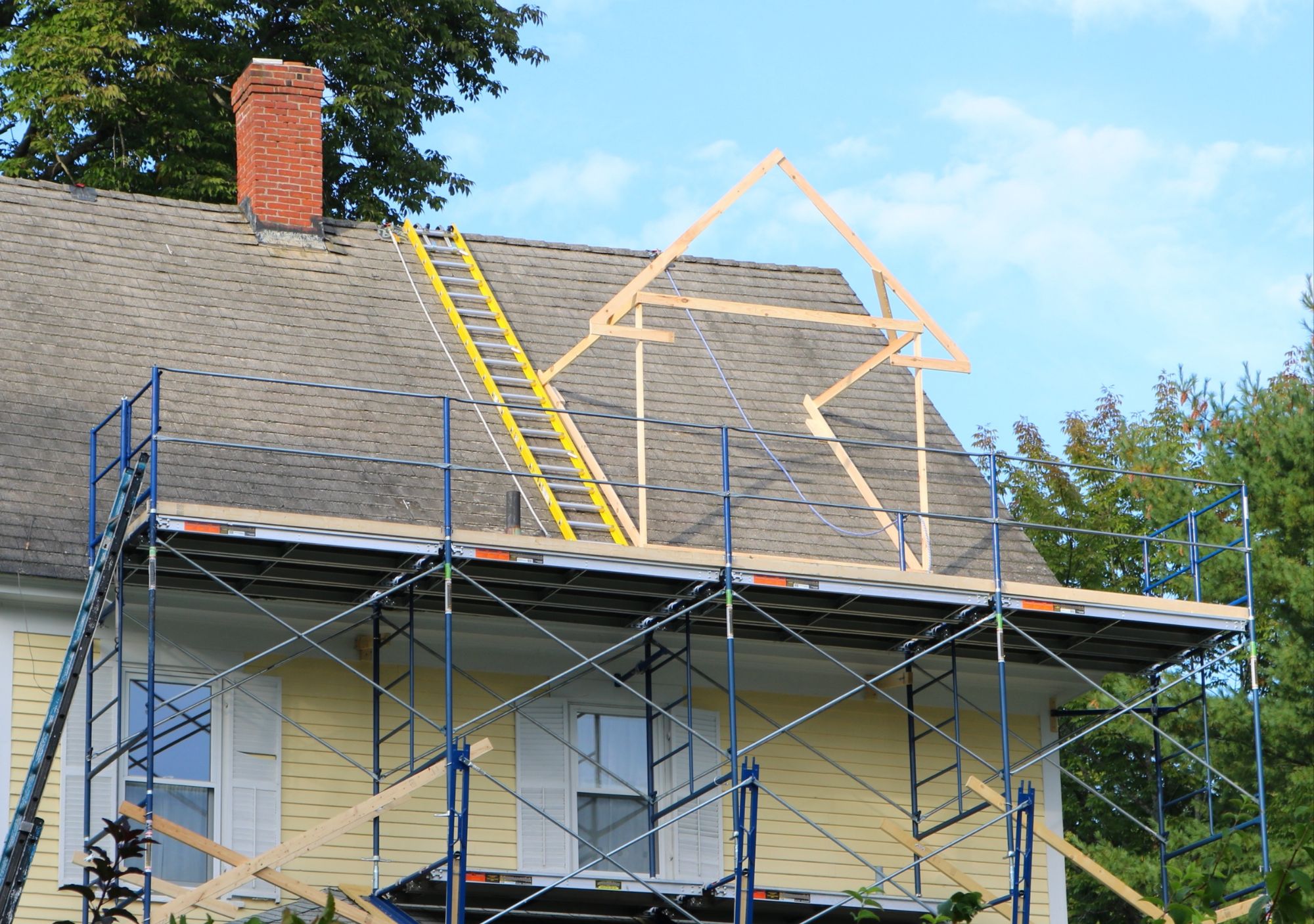
Building Permits in Manitoba - What Homeowners, Buyers, and Sellers Need to Know
Whether you're planning a renovation, finishing a basement, or adding a deck, building permits are a crucial part of safe and legal construction in Manitoba. Yet many homeowners don’t fully understand when they’re needed—or how failing to obtain one can affect future property sales, insurance coverage, and even safety.
This guide breaks down everything you need to know about Manitoba building permits, with a special focus on Winnipeg-specific requirements, timelines, why permits matter, and what happens if work is completed without one.
What Is a Building Permit?
A building permit is an official approval issued by your local municipality that allows you to proceed with construction, renovation, demolition, or structural changes. It ensures that the planned work meets:
-
Manitoba Building Code
-
Energy efficiency regulations
-
Structural and safety standards
-
Zoning and land-use bylaws
It is essentially your assurance that the project will be built properly, safely, and legally.
When Do You Need a Building Permit in Manitoba?
While each municipality may have slightly different bylaws, in general a permit is required when construction changes the structure, safety, or use of a space.
A building permit is typically required for,
-
Adding or removing walls
-
Structural changes of any kind
-
Finishing or developing a basement
-
Adding bedrooms, bathrooms, or secondary suites
-
Building decks higher than 24" (or attached to the home)
-
Garages, carports, sheds over a certain size
-
Additions, sunrooms, porches
-
Foundations or underpinning
-
Plumbing changes or additions
-
Installing egress windows
-
Installing or modifying fireplaces and chimneys
You generally do NOT need a permit for,
-
Cosmetic updates (painting, flooring, cabinets)
-
Replacing fixtures without altering plumbing systems
-
Landscaping
-
Freestanding decks under certain height limits

Winnipeg-Specific Building Permit Requirements
The City of Winnipeg follows provincial standards but also enforces additional rules through its Planning, Property & Development Department.
Common projects requiring permits in Winnipeg,
-
Basement development (any new bedrooms require egress windows)
-
Decks higher than 24" or attached to the home
-
Fences above height limits
-
Additions, sunrooms, garages, carports, sheds over 10 m²
-
Structural changes, load-bearing wall removal
-
HVAC system modifications
-
Secondary suites (including garden suites and granny suites)
Where to get permits in Winnipeg
Permits can be applied for through the City of Winnipeg’s Permits Office
Contact Central Files at PPD‑CentralFiles@winnipeg.ca or 204‑986‑7395
📍 PPD – 2nd Floor, 395 Main Street
🖥️ Online: City of Winnipeg Permits Portal
The city provides checklists, drawings requirements, and sample documents to guide homeowners and contractors.
Where to check for Issued Construction Related Permits
-
Includes building and trade permits (electrical, mechanical, and plumbing) issued after January 1, 2000
-
Includes development permits issued after November 14, 2022
-
For permits issued before these dates, contact Central Files
Note:
-
Search results do not include permits that were cancelled or are still in the application process
-
Permits for the demolition of an entire primary structure (such as a single-family dwelling) are not shown, as they are associated with the previous property record
-
Personal information related to permits is not displayed
How Long Do Permits Take?
Timeline depends on project complexity and the volume of applications.
Typical timeframes in Winnipeg & Manitoba
-
Minor residential projects: 1–3 weeks
-
Basement development: 2–4 weeks
-
Decks and accessory structures: 1–2 weeks
-
Additions or structural changes: 4–8 weeks
-
Secondary suites: 6–12 weeks
Note: Summer is peak season; expect longer waits.

Where Permits Fit Into the Construction Process (And Why They’re Required Before Any Work Begins)
One of the most important parts of the permitting process is timing. A building permit must be obtained before construction starts—no exceptions.
Here’s how permits tie into the construction process,
1. Planning & Design Stage
Before applying, homeowners or contractors prepare
-
Drawings and floor plans
-
Engineering reports (if needed)
-
Site plans and material specifications
This ensures the work complies with code before building begins, reducing safety risks and costly changes later.
2. Permit Application & Approval
Once submitted, the municipality reviews plans for:
-
Structural integrity
-
Fire protection
-
Proper ventilation and insulation
-
Energy efficiency
-
Plumbing, HVAC, and electrical safety
-
Compliance with zoning bylaws
This step ensures your project is legally buildable.
3. Construction Can Begin Only After Permit Issuance
Starting early can result in:
-
Stop-work orders
-
Required demolition or opening of completed work
-
Fines
-
Delays in the project timeline
Inspections need to occur at specific stages—if work is already done, code compliance can’t be verified.
4. Required Inspections During Construction
These may include
-
Framing
-
Plumbing rough-in
-
Electrical inspections (via Manitoba Hydro)
-
HVAC
-
Insulation/vapour barrier
-
Final building inspection
Inspections ensure the work meets building code and professional standards.
5. Final Approval
Once all inspections pass, the municipality issues final approval, which
-
Confirms legal completion
-
Provides documentation for resale
-
Supports insurance validity
-
Ensures long-term safety
This approval is extremely valuable in real estate transactions.
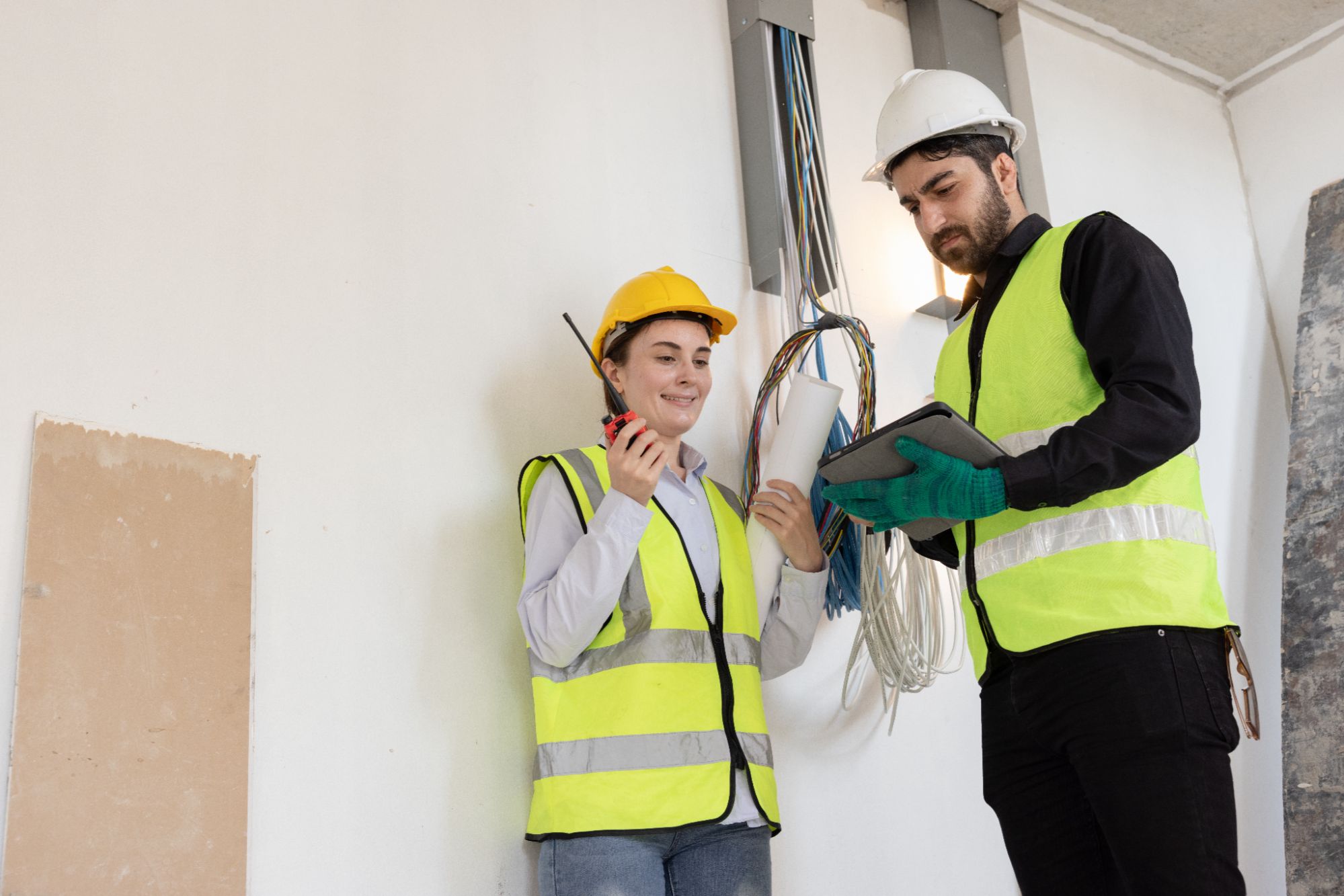
Why Building Permits Matter: Safety, Quality, and Legal Protection
Permits aren’t just about paperwork—they ensure your home meets Manitoba Building Code, including
✔ Structural integrity
Ensures the home is safe and sound, preventing issues like sagging floors, cracking foundations, or overloaded framing.
✔ Health & safety standards
Protects against hazards such as,
-
Fire risks
-
Poor ventilation and mold
-
Unsafe electrical or plumbing installations
-
Improper egress (basement window safety)
✔ Professional workmanship
Inspections ensure work is completed correctly, either by,
-
Licensed electricians
-
Licensed plumbers
-
Certified HVAC installers
-
Qualified structural engineers (when needed)
When are professionals required?
-
Electrical work must be completed by a licensed electrician under a Manitoba Hydro permit.
-
Plumbing and gas work often require certified trades.
-
Structural alterations require engineered drawings and inspections.
-
HVAC changes usually need certified installers.
Permits confirm that qualified professionals were used where required.
Building Permits and Real Estate: Why They Matter When Buying or Selling
Permits can significantly impact a home sale.
For Sellers
Failing to obtain permits for previous work can cause
-
Closing delays
-
Repair requests
-
Price reductions
-
Insurance issues
-
Required demolition of unpermitted work
Buyers often request proof of permits—especially for basement development, decks, additions, or structural changes.
For Buyers
Buying a home with unpermitted work can lead to
-
Safety hazards
-
Expensive repairs
-
Denial of insurance coverage
-
Problems reselling the property
-
Requirements to bring work up to code at your own expense
A permit history provides peace of mind that the home was improved safely and legally.
Consequences of Not Having a Permit
Skipping the permit process may seem faster or cheaper, but it can create serious problems.
Potential consequences include
-
Orders to stop work
-
Fines from the municipality
-
Mandatory removal of completed work
-
Legal issues if accidents or injuries occur
-
Difficulty selling the home
-
Loss of insurance coverage for claims related to the unpermitted area
In real estate, unpermitted work often becomes a liability for both buyer and seller.
Building Permits Protect Your Home—and Your Investment
Whether you're renovating or preparing to sell, building permits play a critical role in ensuring
-
Safety
-
Proper construction
-
Compliance with Manitoba Building Code
-
Protection of property value
-
Smooth real estate transactions
If you’re unsure whether your project needs a building permit—or you’re buying a home with past renovations—consulting a knowledgeable REALTOR®, inspector, or contractor is the best place to start.
Tara Zacharias, REALTOR®
Categories
Recent Posts





Leave a Reply
 REALTOR®
I became a REALTOR® because I truly enjoy helping people find the place that feels like home and because providing exceptional service during such an important moment in someone’s life is something I genuinely care about. Supporting sellers as they move on, move up, or move forward is just as meaningful, and being part of that transition is something I’m grateful to contribute to.
I make the buying or selling journey feel organized and approachable with clear communication and practical guidance. With an approach supported by market data, trends, and neighbourhood insights, you'll always understand what’s happening and how to make the most informed decisions.
Whether you’re buying your first home, selling a place filled with memories, or planning your next step, I’m here as someone who listens, shows up, and puts your goals at the centre of every decision. I'm focused on what serves you best and I make your best interests my TOP priority.
I'm Tara Zacharias, a real estate salesperson located in the vibrant city of Winnipeg. Thanks for stopping by and taking the time to get to know me!+1(204) 293-0933 tara@tarazacharias.com330 St Mary Ave, Winnipeg, MB R3C 3Z5, CAN
https://tarazacharias.com/