Types of Home Wiring - How to Identify Old, Dangerous, and Safe Electrical Systems
Types of Home Wiring - What’s Safe, What’s Dangerous and
How to Identify
When it comes to home safety, one thing that is important and often overlooked is your electrical wiring. Whether you’re buying an older home, renovating, or just curious about what’s behind your walls, understanding the different types of wiring in a home can help you prevent electrical hazards and plan smart upgrades.
In this guide, i’ll explain how to identify your home’s wiring, what the electrical panel amps mean, and which systems are safe, outdated, or downright dangerous.

Knob and Tube Wiring (Pre-1950s)
What it is
One of the earliest residential electrical systems, knob and tube (K&T) wiring was common from the 1880s to the 1940s. It uses ceramic knobs and tubes to hold and protect individual wires.
How to identify
-
Wires run separately (not bundled in a cable).
-
Ceramic knobs and tubes visible in basements or attics.
-
Often connected to old fuse boxes.
Panel and amps
Usually found with 30–60-amp fuse panels.
Why it’s dangerous
-
No ground wire (shock risk).
-
Brittle insulation that flakes off with age.
-
Can’t safely handle modern electrical loads.
-
Often rejected by home insurance companies.
Verdict - Replace immediately. Knob and Tube wiring is obsolete and unsafe.
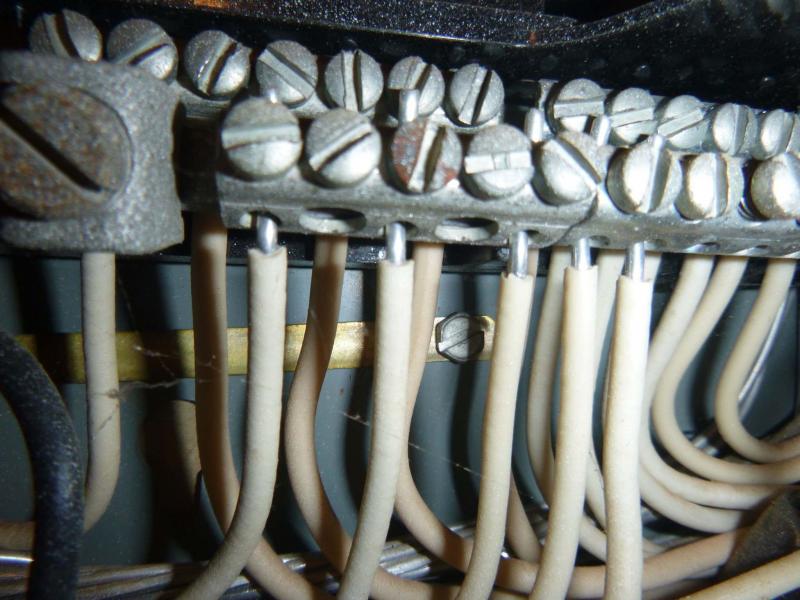
Aluminum Wiring (1960s–1970s)
What it is
As copper prices rose, builders in the 1960s switched to aluminum wiring. While cost-effective, it expanded and contracted with heat—loosening connections and creating a fire hazard.
How to identify
-
Look for “AL” or “ALUMINUM” printed on wire insulation.
-
Dull silver color instead of coppery red.
-
Found in homes built between 1965 and 1975.
Panel and amps
Usually tied to 100-amp breaker panels.
Why it’s risky
-
Expands and contracts with heat cycles.
-
Prone to oxidation (causes overheating).
-
Improper connections increase fire risk.
Verdict - Have it inspected by an electrician. Aluminum wiring can be made safe with special connectors or copper pigtailing.
How Copper Pigtails are Used With Aluminum Wiring
Copper pigtails are short copper wire segments used to safely connect aluminum wiring to modern outlets, switches, or GFCI devices. Because aluminum expands and contracts more than copper, direct connections can loosen over time and create overheating or fire hazards.
By attaching a short copper pigtail with an AL/CU-rated connector, electricians create a stable, heat-resistant bridge between the older aluminum circuit and new fixtures. This modification dramatically improves safety and is often required by Manitoba home insurance providers before approving coverage on houses with aluminum wiring.
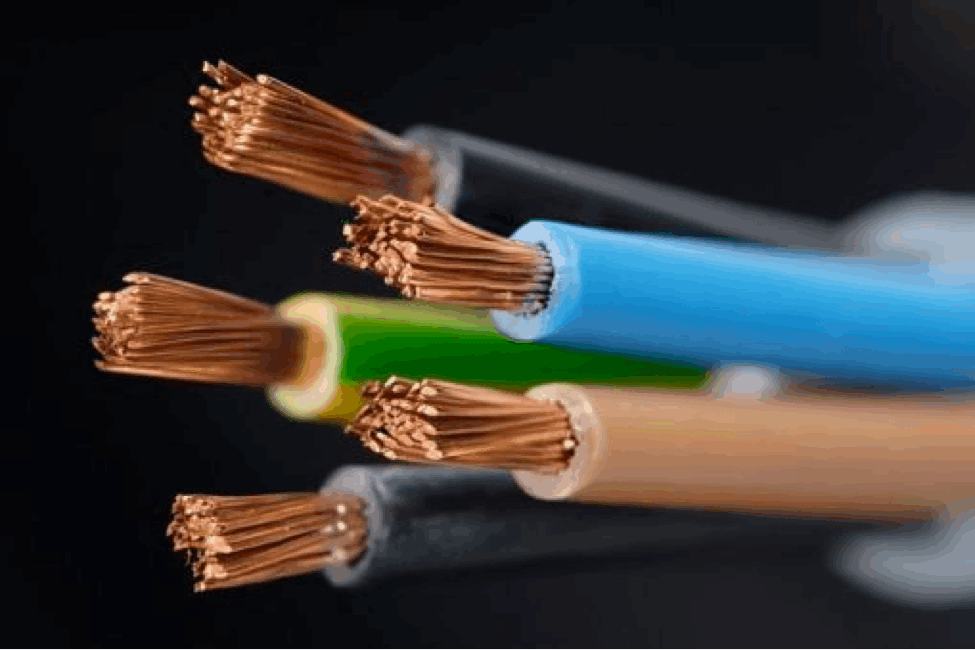
Copper Wiring (1960s–Present)
What it is
Copper remains the gold standard for electrical wiring. It’s durable, conducts efficiently, and handles today’s high-demand appliances safely.
How to identify
-
Bright reddish-brown metal wire.
-
Insulation labeled “CU” or “Copper.”
Panel and amps
Typically found with 100–200-amp breaker panels in homes from the 1980s onward.
Why it’s safe
-
Excellent conductivity.
-
Minimal maintenance.
-
Compatible with all modern outlets, switches, and breakers.
Verdict - The most reliable and long-lasting choice for home wiring.
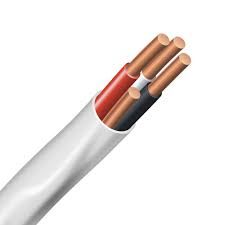
Modern Non-Metallic Cable (NM-B or “Romex”) — 1980s to Today
What it is
This is the most common wiring used in modern homes. NM-B, often called Romex, bundles copper wires inside a protective plastic sheath.
How to identify
-
Flat, flexible cable labeled “NM-B” or “Romex.”
-
Outer sheathing color indicates wire gauge
-
White = 14-gauge (15 amps)
-
Yellow = 12-gauge (20 amps)
-
Orange = 10-gauge (30 amps)
- Black = 8-guage (40 amps)
- Black = 6 guage (55 amps)
- Grey = Outdoor and/or underground burial
-
Panel and amps
Used with 150–200-amp breaker panels.
Why it’s preferred
-
Safe, flexible, and easy to install.
-
Meets modern electrical codes.
-
Works with GFCI and AFCI outlets for better protection.
Verdict - Standard for all new home construction and rewiring.
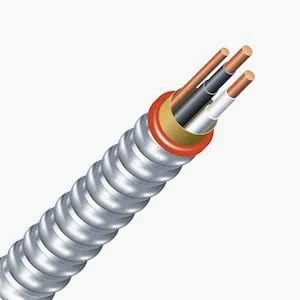
Armored Cable (BX or MC)
What it is
Armored cable (BX or MC) is a type of wiring wrapped in a flexible metal sheath for added protection. It’s common in older city homes, apartments, and unfinished basements.
How to identify
-
Silver metal spiral casing around the wires.
-
Often labeled “BX” or “MC.”
Panel and amps
Compatible with 100–200-amp service panels.
Why it’s safe
-
Provides grounding and mechanical protection.
-
Still approved by most electrical codes.
Verdict - Safe and durable, especially in exposed locations.
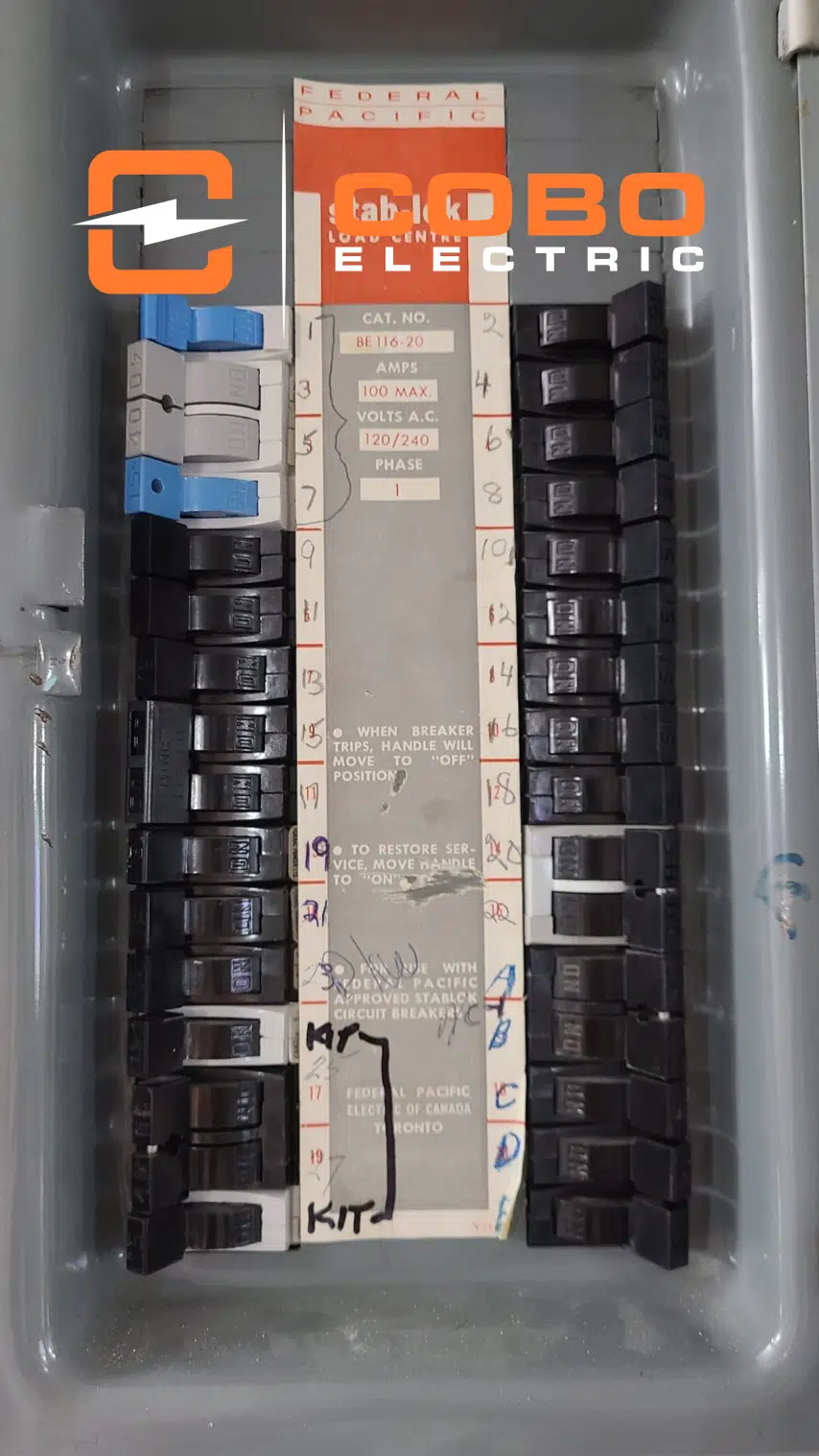
How to Identify Your Electrical Panel and Amp Rating
Your electrical panel (also known as the breaker box) controls power distribution throughout your home.
Look for the main breaker, it will have a number “100,” “150,” or “200,” indicating total amperage capacity.
If your main panel still uses screw-in fuses, it’s time for an upgrade. Breaker panels are safer, easier to reset, and compatible with modern wiring.
| Panel Type | Common Era | Amperage | Safety Status |
|---|---|---|---|
| Fuse Box | Pre-1960 | 30–60 amps | ❌ Obsolete |
| Small Breaker Panel | 1960–1980 | 100 amps | ⚠️ Adequate but limited |
| Modern Breaker Panel | 1980–Today | 150–200 amps | ✅ Standard |
| Large Service Panel | New Builds | 200–400 amps | ✅ Future-ready |
Warning Signs of Dangerous Home Wiring
Even if your wiring looks okay, these are red flags that demand a licensed electrician’s inspection,
-
Frequent breaker trips or blown fuses
-
Flickering or dimming lights
-
Buzzing outlets or switches
-
Warm or scorched outlet covers
-
Two-prong (ungrounded) outlets
-
Burning smell near the panel or outlets
| Wiring Type | Era | Safe? | Notes |
|---|---|---|---|
| Knob & Tube | Pre-1950 | ❌ | Replace immediately |
| Aluminum | 1960s–70s | ⚠️ | Needs inspection |
| Copper | 1960s–Present | ✅ | Standard |
| NM-B / Romex | 1980s–Today | ✅ | Most common |
| BX / MC | Various | ✅ | Durable and code-approved |
How Electrical Wiring Affects Your Home Insurance Coverage in Manitoba
If you own a home in Manitoba, your electrical wiring can directly impact your home insurance eligibility and rates. Insurance companies assess the age and safety of your wiring because outdated systems increase the risk of fire and electrical failures.
Here’s how wiring type plays a role in your coverage,
-
Knob-and-Tube Wiring
-
Considered high risk by most Manitoba insurers.
-
Often results in denied coverage or higher premiums.
-
Some companies require full replacement or inspection certification before insuring.
-
-
Aluminum Wiring
-
May still be insurable, but only if connections are properly upgraded.
-
You might need a professional inspection or ESA-certified report.
-
Some insurers will require you to upgrade to copper wiring over time.
-
-
Copper or NM-B (Romex) Wiring
-
Fully compliant with current Manitoba Electrical Code standards.
-
Preferred by all insurers and offers the lowest risk profile.
-
Can help you qualify for better insurance rates and easier renewals.
-
If your insurance provider raises concerns about your wiring, consider having a licensed electrician inspect your system. Upgrading to modern copper wiring not only improves safety but can also reduce your insurance premiums and increase your home’s resale value.
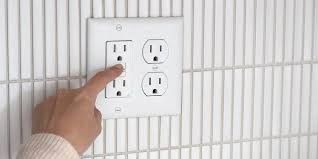
GFCI Outlets - An Essential Upgrade for Home Electrical Safety
Modern homes and even many older ones in Manitoba, benefit from GFCI (Ground Fault Circuit Interrupter) outlets. These devices protect against shock by cutting power instantly if electricity flows through an unintended path, like water or a person.
Where GFCIs are required
-
Bathrooms
-
Kitchens (especially near sinks)
-
Laundry rooms
-
Garages
-
Outdoor outlets
Why they matter
-
GFCIs greatly reduce the risk of electrical shock and fire.
-
Required by the Manitoba Electrical Code in moisture-prone areas.
-
May be a condition for home insurance coverage.
-
Easy and inexpensive to install by a licensed electrician.
Know What’s Behind Your Walls
Your home’s wiring is a hidden system, you don’t see it, but you rely on it every day. If your home is older than 40 years, or if you notice any signs of trouble, have a professional electrician inspect your wiring and electrical panel amps.
Modern wiring, especially copper NM-B (Romex), is built for today’s energy-hungry appliances and electronics. Replacing outdated wiring not only increases safety but also boosts your home’s resale value and insurance approval.
Tara Zacharias, REALTOR®
Categories
Recent Posts





Leave a Reply
 REALTOR®
I became a REALTOR® because I truly enjoy helping people find the place that feels like home and because providing exceptional service during such an important moment in someone’s life is something I genuinely care about. Supporting sellers as they move on, move up, or move forward is just as meaningful, and being part of that transition is something I’m grateful to contribute to.
I make the buying or selling journey feel organized and approachable with clear communication and practical guidance. With an approach supported by market data, trends, and neighbourhood insights, you'll always understand what’s happening and how to make the most informed decisions.
Whether you’re buying your first home, selling a place filled with memories, or planning your next step, I’m here as someone who listens, shows up, and puts your goals at the centre of every decision. I'm focused on what serves you best and I make your best interests my TOP priority.
I'm Tara Zacharias, a real estate salesperson located in the vibrant city of Winnipeg. Thanks for stopping by and taking the time to get to know me!+1(204) 293-0933 tara@tarazacharias.com330 St Mary Ave, Winnipeg, MB R3C 3Z5, CAN
https://tarazacharias.com/