Municipal Sewer and Septic Systems: Drainage, Connection Rules, and What Homeowners Need to Know Before Selling
Municipal Sewer, Rural Septic Systems and What Homeowners Need to Know Before Selling
Wastewater management in Manitoba looks very different depending on where you live. In Winnipeg and other urban centres, most homes are connected to municipal sewer systems. In rural Manitoba, many properties rely on private septic systems—often until municipal sewer becomes available.
Understanding how these systems work, what the rules are (especially with upcoming deadlines like 2031) and what responsibilities transfer during a property sale is critical for homeowners, buyers and sellers alike.
What “Municipal Sewer” Means in Manitoba
A municipal sewer system is a publicly owned network of underground pipes that collect wastewater from homes and businesses and transport it to a centralized treatment facility. Homes connect through a private sewer service line that ties into the municipal main, usually located under the street or right-of-way.
In Manitoba,
-
The Province regulates environmental protection and onsite wastewater systems (septic).
-
Municipalities control permits, connection standards, inspections, and contractor requirements for sewer hookups.
A property must discharge wastewater either to,
-
An approved municipal sewer, or
-
A provincially regulated Onsite Wastewater Management System (OWMS) such as a septic system.
Winnipeg’s Sewer System: Combined vs. Separated
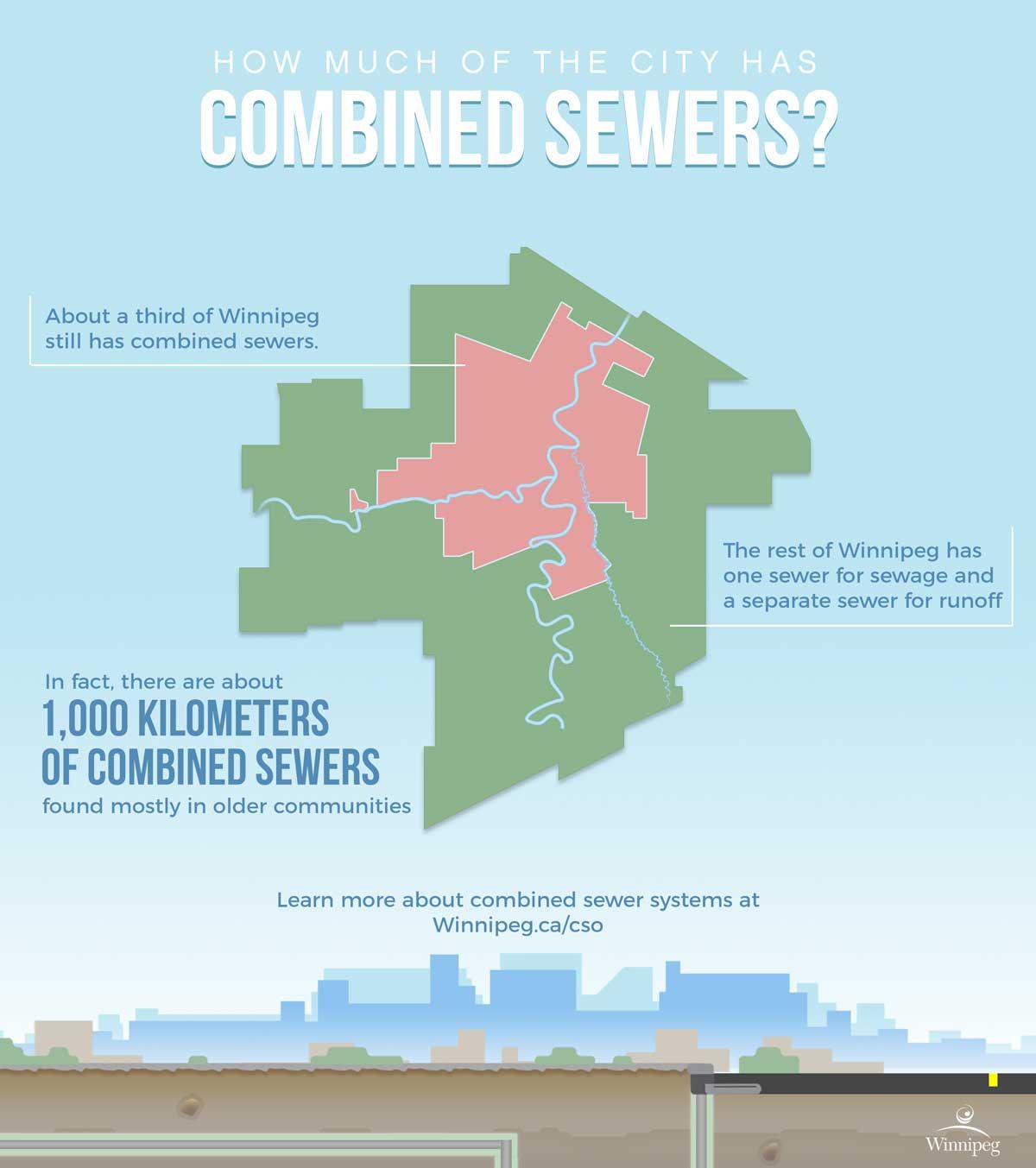
Winnipeg’s sewer infrastructure is a mix of two system types,
Separated Sewer Systems
-
One pipe for Sanitary sewer: carries wastewater from toilets, sinks, showers, and laundry to treatment plants
-
One pipe for Land drainage (storm sewer): carries rain and snowmelt from streets, catch basins, roof drains, and some foundation drains directly to rivers and waterways
- Common in newer neighbourhoods
In separated systems, stormwater is not treated—it flows through storm pipes and discharges to the river.
Combined Sewer Systems (CSOs)
-
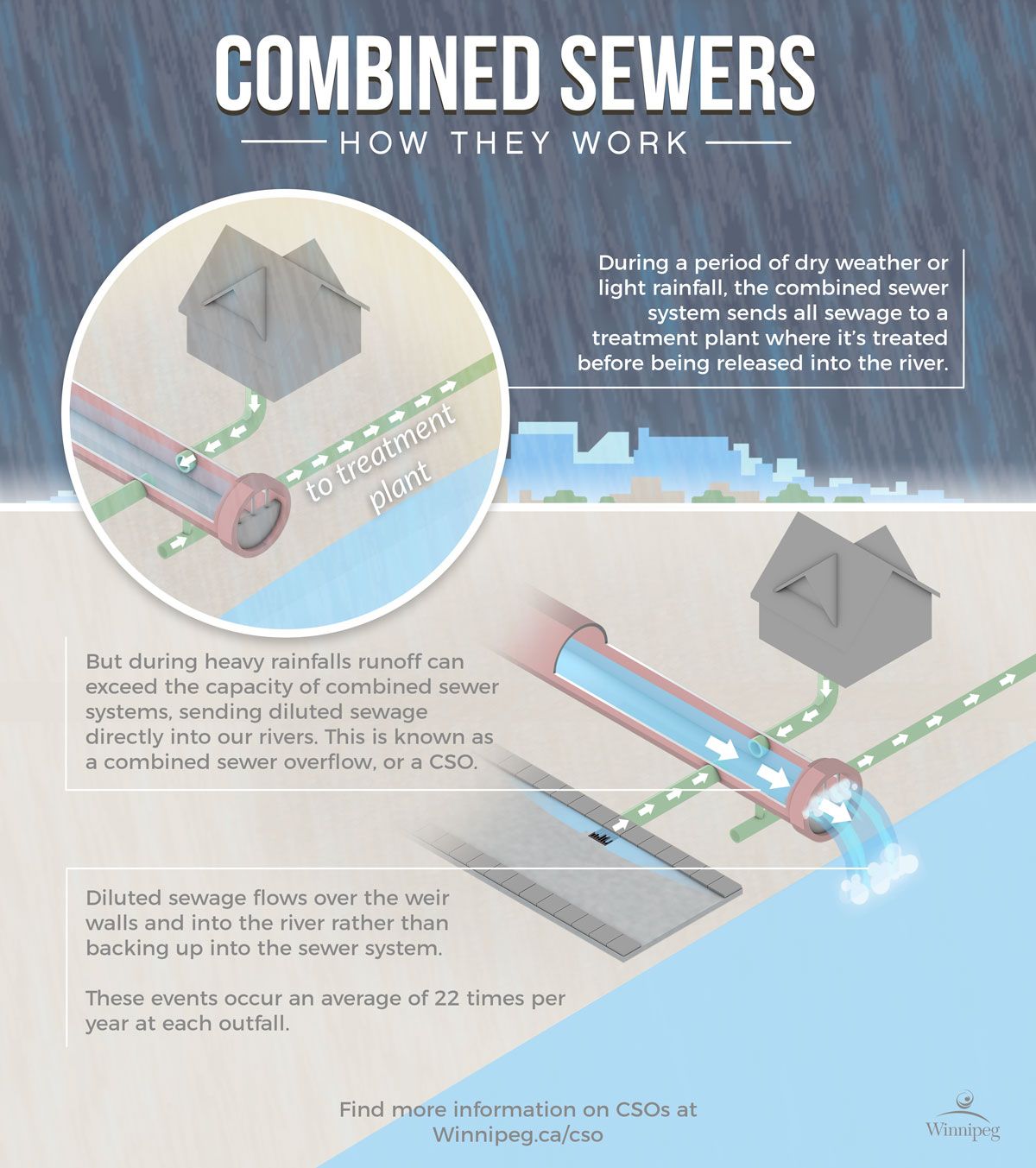
One pipe carries both wastewater and stormwater
-
Found mainly in older areas of Winnipeg
-
Roughly one-third of Winnipeg’s sewer system is combined
During heavy rain or rapid snowmelt, combined systems can exceed capacity. When this happens, wastewater may back up into basements or be released through combined sewer overflows (CSOs) to reduce flooding risk.
This is why backwater valves, sump pumps, and proper sewer connections are especially important in older Winnipeg neighbourhoods.
Weeping Tile Drainage: Is It Connected to the Sewer?
Weeping tile (also called foundation drainage) collects groundwater around a building’s foundation to prevent basement water infiltration.
In Winnipeg,
-
Older homes may have weeping tile connected directly to the combined sewer
-
Some homes drain weeping tile into the storm sewer
-
Many newer homes drain weeping tile to a sump pit, with a pump that discharges to the surface or storm system
Direct connections of weeping tile to sanitary or combined sewers increase the risk of,
-
Sewer overload during storms
-
Basement flooding
-
Combined sewer overflows
Because of this, many flood-prevention programs encourage,
-
Disconnecting foundation drains from sewer systems
-
Redirecting water to sump pumps or surface drainage
Where Rain and Snowmelt Go in Winnipeg
Depending on your neighbourhood and house age, rain and snowmelt may flow to,
-
Storm sewers (separated systems)
-
Combined sewers (older areas)
-
Surface drainage (lawns, swales, streets)
-
Sump pumps discharging to the surface or storm sewer
Roof drains and downspouts
-
Older homes may have roof leaders connected underground to sewer pipes
-
Newer standards generally require downspouts to discharge above ground, away from the foundation
Sewer Connections in Winnipeg: Permits and Contractors
Sewer work in Winnipeg is highly regulated.
Permits Are Mandatory
No one may install, alter, repair, reconnect, or replace a sewer connection—either in the street or on private property—without the proper City of Winnipeg permits.
Licensed Contractors Required
Only licensed sewer and water contractors are allowed to connect private property to Winnipeg’s municipal sewer system.
Typical Sewer Connection Process
-
Confirm sewer availability at the property
-
Hire a licensed contractor
-
Obtain City permits and inspections
-
Complete construction to City standards
-
Restore boulevard, sidewalk, or roadway as required
Skipping permits or using unlicensed contractors can create serious problems during resale, insurance claims, or future repairs.
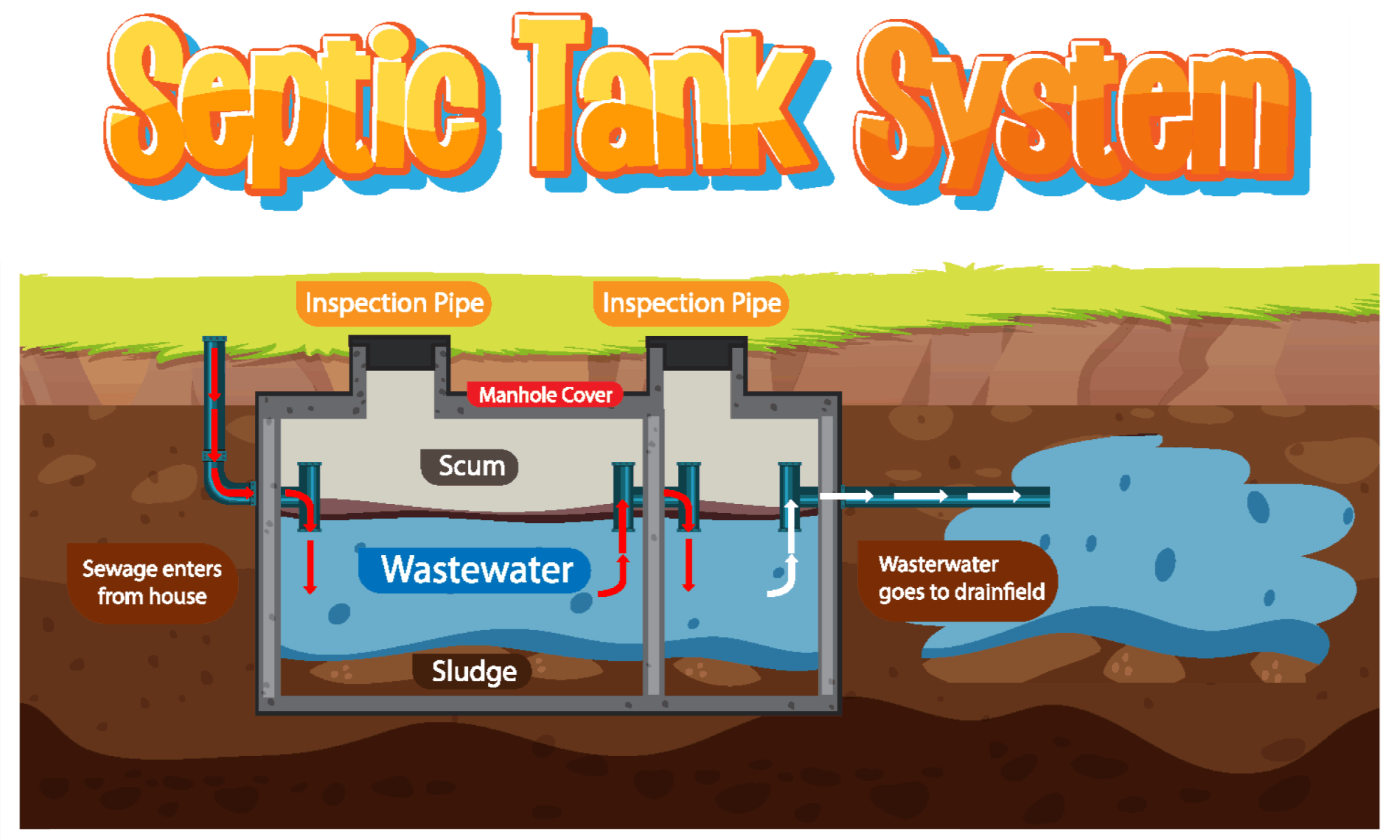
Rural Septic Systems (Onsite Wastewater)
Outside municipal sewer service areas, most rural properties use an Onsite Wastewater Management System (OWMS)—commonly known as a septic system.
These systems are regulated provincially under Manitoba Regulation 83/2003 and include,
-
Septic tanks
-
Holding tanks
-
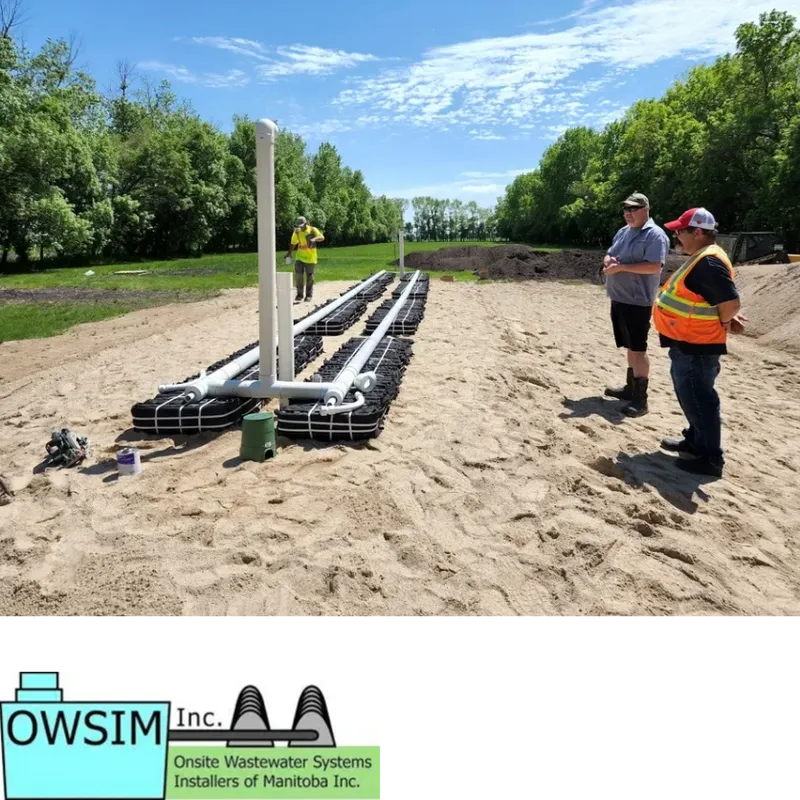
Soil treatment fields
-
Advanced treatment units
Septic Ownership Responsibilities
A septic system is not “install and forget.” Owners are responsible for,
-
Regular pumping and maintenance
-
Preventing surface water from entering the system
-
Avoiding damage to the disposal field
-
Ensuring the system meets current regulations
Homeowners can find information at the Manitoba Onsite Waste Water Management Association
Failure to maintain a septic system can lead to environmental damage, costly repairs, and legal non-compliance.
The 2031 Deadline and the “10-Year Rule” for Sewer Connection
One of the most important things rural homeowners need to understand is when septic systems must be abandoned and connected to municipal sewer.
The 2031 Rule
If municipal sewer service is already available to a property and the regulation requires connection, the owner must connect no later than December 31, 2031.
The 10-Year Rule
If municipal sewer becomes available in the future:
-
The property owner generally has up to 10 years from the date the sewer system becomes operational to connect.
-
This replaced an older 5-year requirement and gives homeowners more time to plan financially.
Important Exception: Sale or Subdivision
If a property is,
-
Sold, or
-
Subdivided
before the 10-year period expires, the obligation to connect may be triggered immediately upon transfer, unless an exemption applies.
This is a key issue many sellers don’t realize until late in a real estate transaction.
What is decommissioning a septic tank in Manitoba?
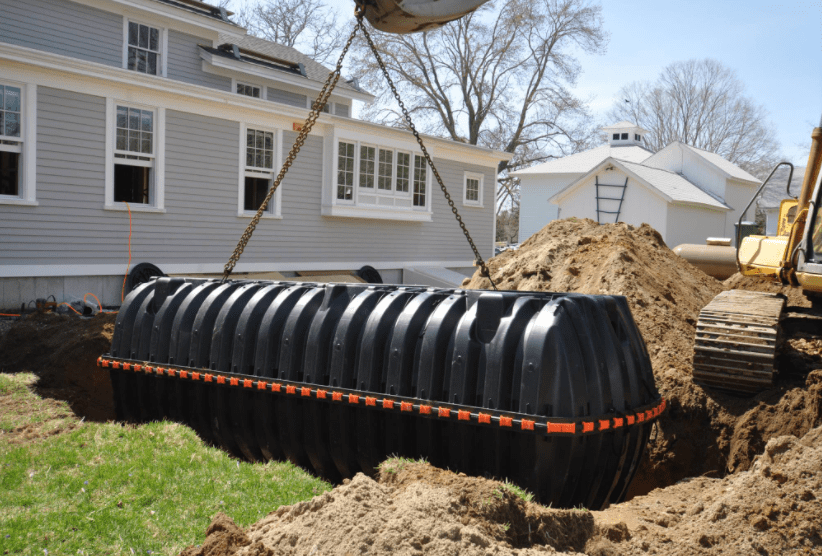
Decommissioning a septic tank means permanently taking it out of service so it no longer poses a safety or environmental risk. This is required when a septic system is replaced or when a property connects to municipal sewer—it cannot simply be left unused.
Key Manitoba Requirements
-
Decommissioning is mandatory when a septic or holding tank is replaced
-
The tank must be pumped out and rendered unusable (filled, crushed, or removed)
-
The field component may be left dormant, unless removal is required
-
Systems must be decommissioned within 60 days of being replaced
-
Decommissioning must be reported within 7 days to the appropriate authority
-
Provincial guidelines under The Environment Act must be followed
Why it Matters
Improperly decommissioned tanks can cause safety hazards, environmental issues, and serious problems during a real estate transaction.
If a septic system is no longer in use, Manitoba law requires it to be properly decommissioned and documented.
Required Application to Register or Replace a Holding Tank or Septic System
In Manitoba, if you need to register a holding tank or apply for a septic tank replacement, you must submit a specific online application form through the province’s Onsite Wastewater Management Systems (OWMS) program. This is required for systems with flows less than 10,000 L (2,200 gal) per day and is administered under the Onsite Wastewater Management Systems Regulation (MR 83/2003).
You must use this application to,
-
Register a new holding tank
-
Replace an existing septic or holding tank
-
Modify or upgrade an onsite wastewater system
The application is submitted online through the Province of Manitoba and is required before installation. Approval is issued as an Authorization to Proceed by a regional Environment Officer .
In Manitoba, an unregistered holding tank can create serious issues in a real estate transaction. Most buyers, lenders and lawyers will require confirmation that the holding tank is properly registered and approved.
An unregistered holding tank is a material defect in a Manitoba real estate transaction. It can,
-
Delay or cancel a sale
-
Prevent financing
-
Create legal risk
-
Result in costly repairs or replacements
For both buyers and sellers, verifying registration early is critical.
Rural Manitoba: Where Wastewater, Rain, and Snowmelt Go
In rural areas without municipal storm or sanitary sewers, everything is managed onsite.
Wastewater
-
Handled by a septic system (OWMS): septic tank, holding tank, or treatment unit
-
Regulated by the Province of Manitoba
Rain and Snowmelt
-
Managed through:
-
Natural drainage over land
-
Ditches and roadside drains
-
Swales and culverts
-
Surface discharge from sump pumps
-
Stormwater must never discharge into a septic system. Excess water entering a septic field is one of the most common causes of failure.
Rural weeping tile systems
-
Typically discharge to:
-
A sump pit and surface outlet
-
A ditch or swale (where permitted)
-
-
Should be located and directed away from septic fields
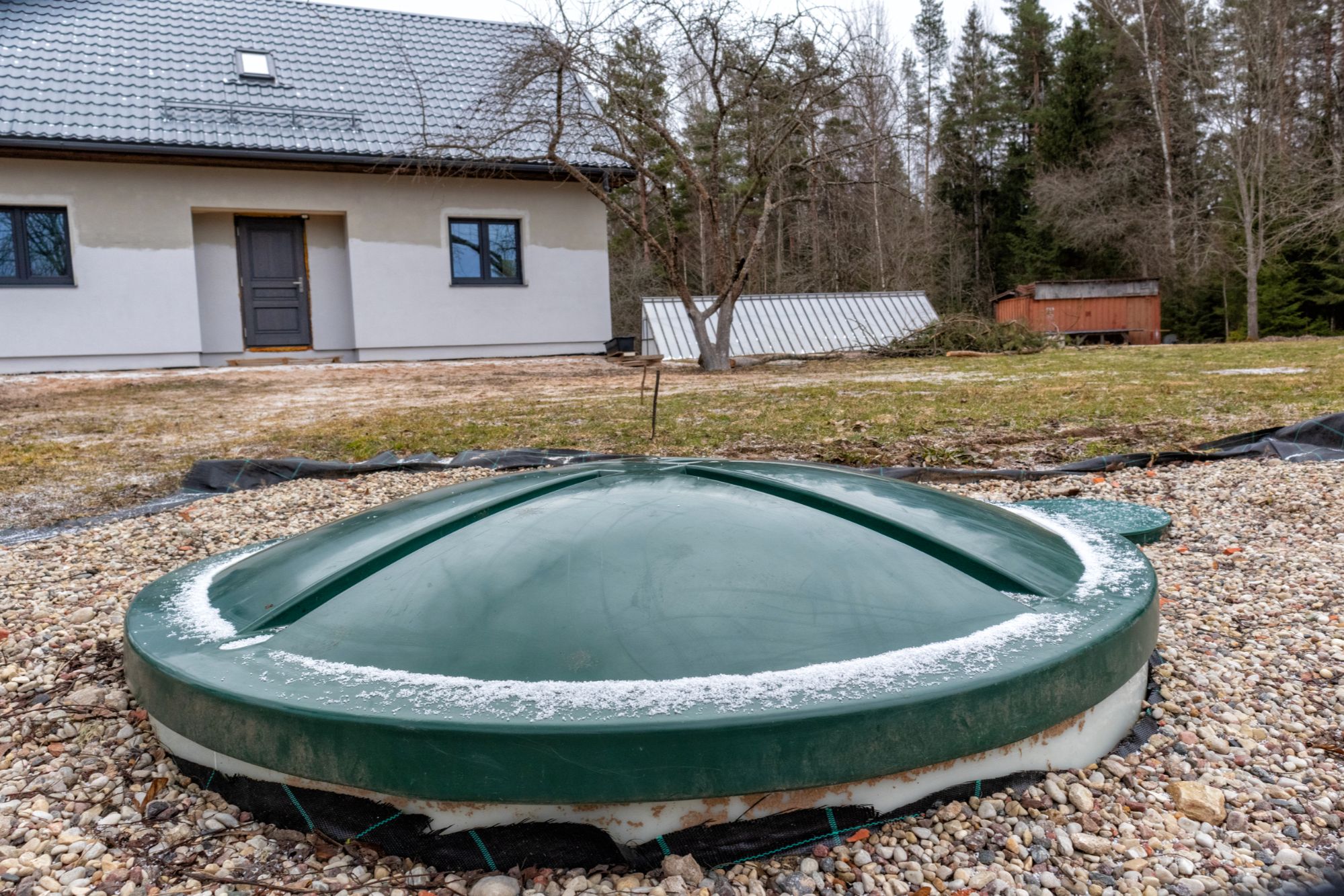
What Rural Homeowners Must Know Before Listing a House on Septic
Selling a property that is not connected to municipal sewer comes with additional responsibilities.
1. Septic Compliance Matters
Buyers, lenders and inspectors will expect proof that,
-
The septic system was legally installed
-
It is registered with the province
-
It is functioning properly and not failing
A failing or undocumented septic system can delay or cancel a sale.
2. Connection Obligations May Transfer to the Buyer
If municipal sewer is available—or will be soon—the buyer may inherit the obligation to connect, even if the seller has not reached their 10-year or 2031 deadline.
This can significantly affect negotiations and property value.
3. Buyers Will Do Their Homework
Expect buyers to,
-
Request pumping and maintenance records
-
Order septic inspections
-
Ask about sewer proximity and future hookup costs
4. Sewer Connection Costs Affect Value
Even when owners still have time to connect, buyers often price in future sewer costs—which can range from several thousand to tens of thousands of dollars depending on distance, depth, and site conditions.
5. Municipal Rules Still Apply
Provincial regulations set the baseline, but local rural municipalities may have additional bylaws governing septic systems, sewer connections, and service responsibilities.
Always confirm requirements with your RM before listing.
Municipal Sewer vs. Septic
Municipal Sewer
Pros
-
Minimal homeowner maintenance
-
Centralized treatment
-
Predictable daily use
Trade-offs
-
Reliance on aging infrastructure
-
Risk of backups during extreme weather
-
Permits and coordination required for repairs
Septic Systems
Pros
-
Independence from municipal pipes
-
Reliable when properly designed and maintained
Trade-offs
-
Owner is fully responsible
-
Failures are expensive
-
Strict regulatory compliance required
Final Takeaway
Whether you’re in Winnipeg on a combined sewer or rural Manitoba on septic, wastewater systems come with legal, financial, and practical responsibilities.
For rural homeowners understanding,
-
The 2031 deadline
-
The 10-year connection rule
-
How septic obligations affect property sales
can prevent costly surprises and stalled real estate deals.
Transparency about both wastewater and drainage systems helps avoid failed deals and last-minute renegotiations.
Tara Zacharias, REALTOR®
Categories
Recent Posts









Leave a Reply
 REALTOR®
I became a REALTOR® because I truly enjoy helping people find the place that feels like home and because providing exceptional service during such an important moment in someone’s life is something I genuinely care about. Supporting sellers as they move on, move up, or move forward is just as meaningful, and being part of that transition is something I’m grateful to contribute to.
I make the buying or selling journey feel organized and approachable with clear communication and practical guidance. With an approach supported by market data, trends, and neighbourhood insights, you'll always understand what’s happening and how to make the most informed decisions.
Whether you’re buying your first home, selling a place filled with memories, or planning your next step, I’m here as someone who listens, shows up, and puts your goals at the centre of every decision. I'm focused on what serves you best and I make your best interests my TOP priority.
I'm Tara Zacharias, a real estate salesperson located in the vibrant city of Winnipeg. Thanks for stopping by and taking the time to get to know me!+1(204) 293-0933 tara@tarazacharias.com330 St Mary Ave, Winnipeg, MB R3C 3Z5, CAN
https://tarazacharias.com/