
Removing a Wall in Your Home and Load Distribution
Understanding Wall Removal and What Every Homeowner Should Know
Removing an interior wall can radically transform your space, but without proper planning, it can also jeopardize your home's structure.
1. Load-Bearing vs. Non-Load-Bearing Walls
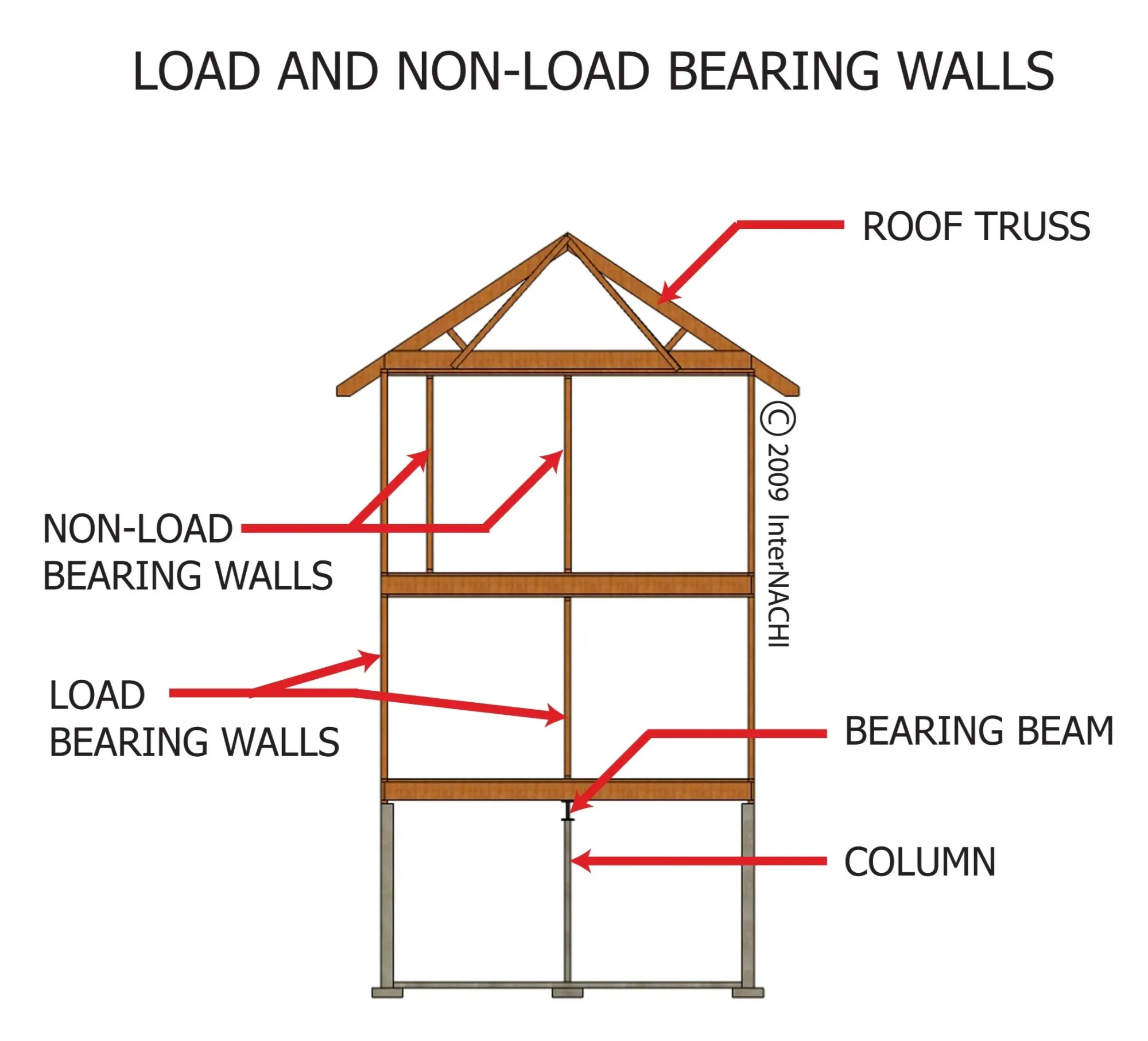
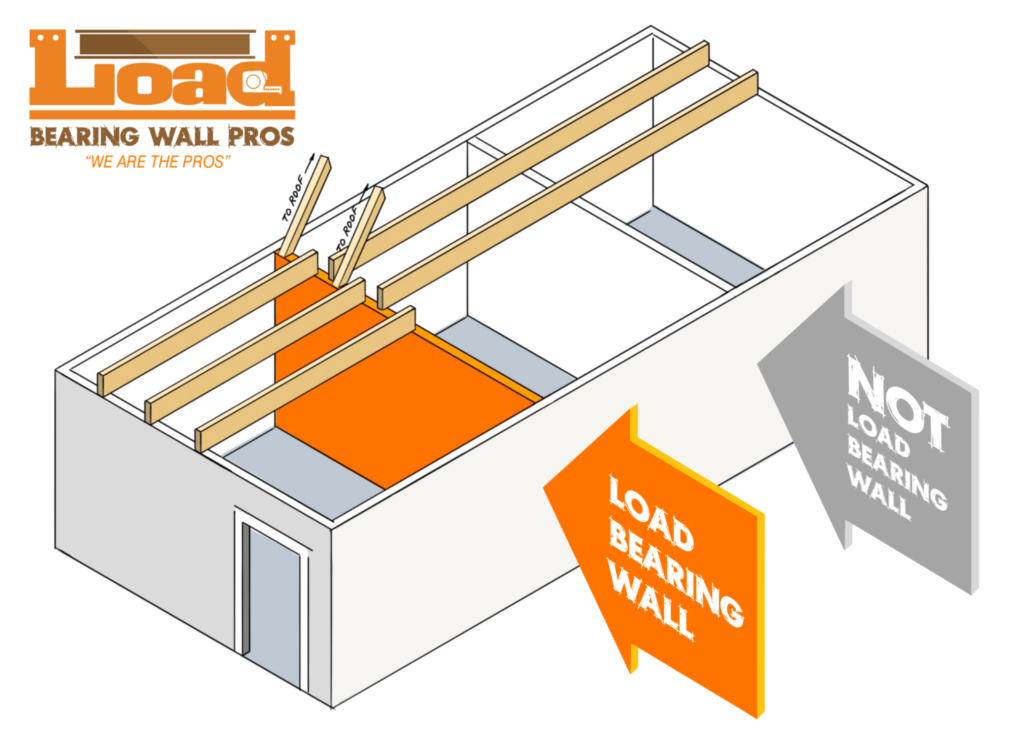
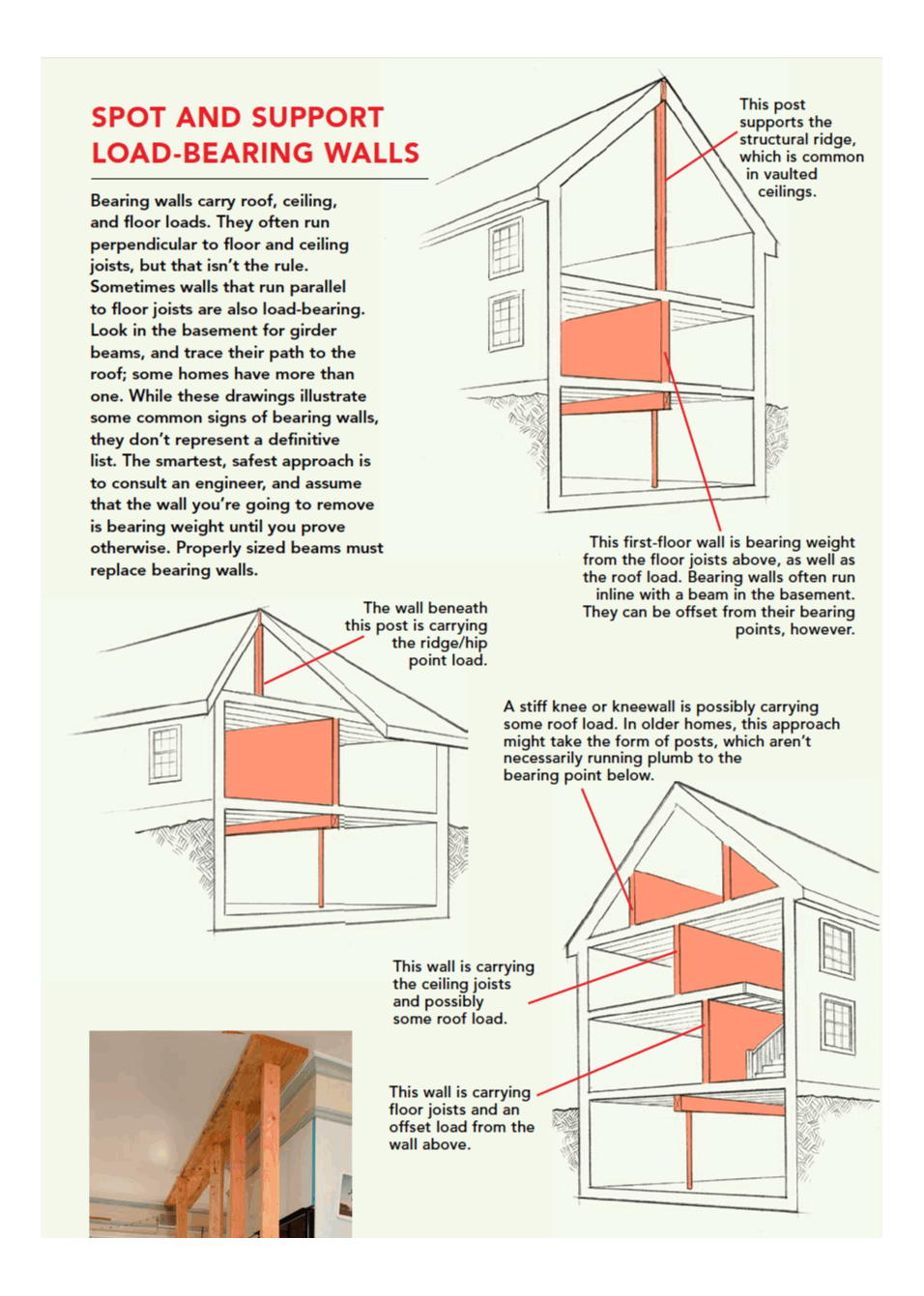
Load-bearing walls support the weight of floors, roofs, or other structural elements. Non-load-bearing “partition” walls simply divide space. Identifying which type you're dealing with is essential before deciding on removal.
Indicators include,
- Walls perpendicular to floor joists
- Walls running directly above or below other walls or beams
- Walls linked to basement or attic structural supports
2. Why Professional Evaluation Matters
If you're unsure whether a wall is load-bearing, that's a clear sign you need an expert. Architects, structural engineers, or experienced contractors should,
-
Examine below-floor structure, ceiling, and attic conditions
-
Specify appropriate beam replacements and support methods
-
Ensure structural integrity during and after removal
3. Permit Requirements & Building Codes
Any structural renovation typically requires a building permit. In the City of Winnipeg your home renovation may require a permit application.
Municipalities often require,
-
Submitted plans, possibly stamped by an engineer or architect
-
Inspections at various stages—from pre-demolition to final review
4. Temporary Support & Beam Installation
Safe wall removal involves,
-
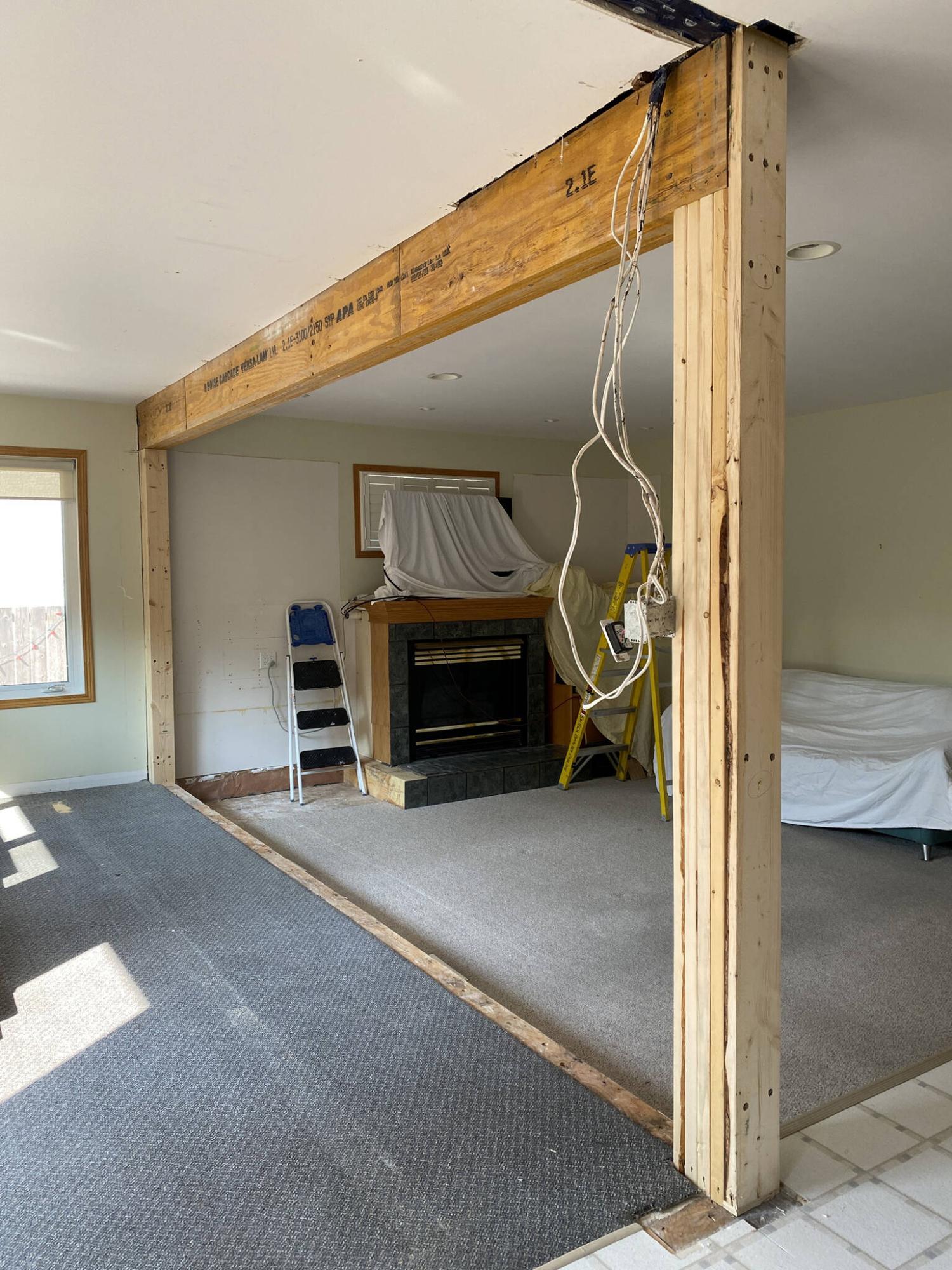
Temporary supports (e.g., braced studs or temporary walls) to hold load before removal
-
Replacing the wall with an appropriately sized beam—such as LVL (laminated veneer lumber), engineered wood, or steel
-
Ensuring proper end support with posts or columns that transfer load to the foundation
5. Hidden Systems - Electrical, HVAC & Flooring
Before tearing down a wall, check if it contains,
-
Electrical wiring—switches, outlets, overhead circuits
-
HVAC ducts—supply or return air might run through the partition
-
Flooring transitions—different levels or materials where the wall meets the floor may require subfloor adjustments for seamless finish
(mentioning overlooked practical challenges like dust, debris, regulatory costs)
Before You Remove That Wall
| Step | Action |
|---|---|
| 1 | Determine if the wall is load-bearing (joist direction, wall alignment, attic check). |
| 2 | Call in a professional (architect, structural engineer, or experienced contractor). |
| 3 | Obtain necessary permits and plan for inspections. |
| 4 | Plan for temporary support and a proper beam solution, with foundation bearing points. |
| 5 | Identify and reroute electrical, plumbing, or HVAC systems within the wall. |
| 6 | Address flooring transitions, subfloor levels, and future finishes. |
| 7 | Factor in costs - engineering, materials, labor, permits, and cleanup. |
Why It Matters
A poorly executed wall removal can lead to,
-
Sagging ceilings
-
Cracked plaster or drywall
-
Structural damage or worse, collapse
If wall removal is done right, it opens up your space, boosts natural light and modernizes the flow of your home.
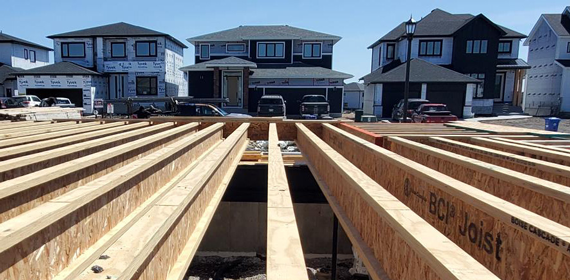
Understanding Floor Joists, Cieling Joists and Trusses in Wall removal
What Are Floor Joists?
Floor joists are long, evenly spaced pieces of wood or engineered lumber that run across the length of your home’s foundation or supporting beams. Think of them as the skeleton of your floors, they distribute weight and ensure your living spaces are safe and stable.
What Happens to Floor Joists When You Remove a Wall?
-
Redistribution of weight - Floor joists that relied on the wall for support may sag, crack, or separate over time.
-
Structural strain - Without reinforcement, the load shifts unevenly, leading to sloping floors or drywall cracks.
-
Safety risks - In extreme cases, joist failure could compromise the structural integrity of the entire floor system.
- Check the joists - Sometimes joists may need sistering (reinforcement) or bridging for added stability once the wall is gone.

What Are Ceiling Joists?
Ceiling joists are wooden or engineered beams that tie the walls together and support the ceiling material (like drywall or plaster). These horizontal structural members run across the top of your walls and provide critical support to your home. They support the ceiling below and help resist outward pressure from the roof above. In many homes, they also provide a surface for attaching drywall, insulation, and light fixtures.
What Happens to Ceiling Joists When You Remove a Wall?
-
Loss of support - If a wall was helping to carry the load of the ceiling joists, removing it can leave the joists without adequate support. Over time, this can cause sagging ceilings, drywall cracks, or even structural failure.
-
Redistribution of weight - Without the wall, the load on joists shifts to other areas, which may not have been designed to handle the extra strain.
-
Flexing and movement - Ceiling joists that relied on a wall for bracing may flex more easily, leading to squeaks or uneven finishes.
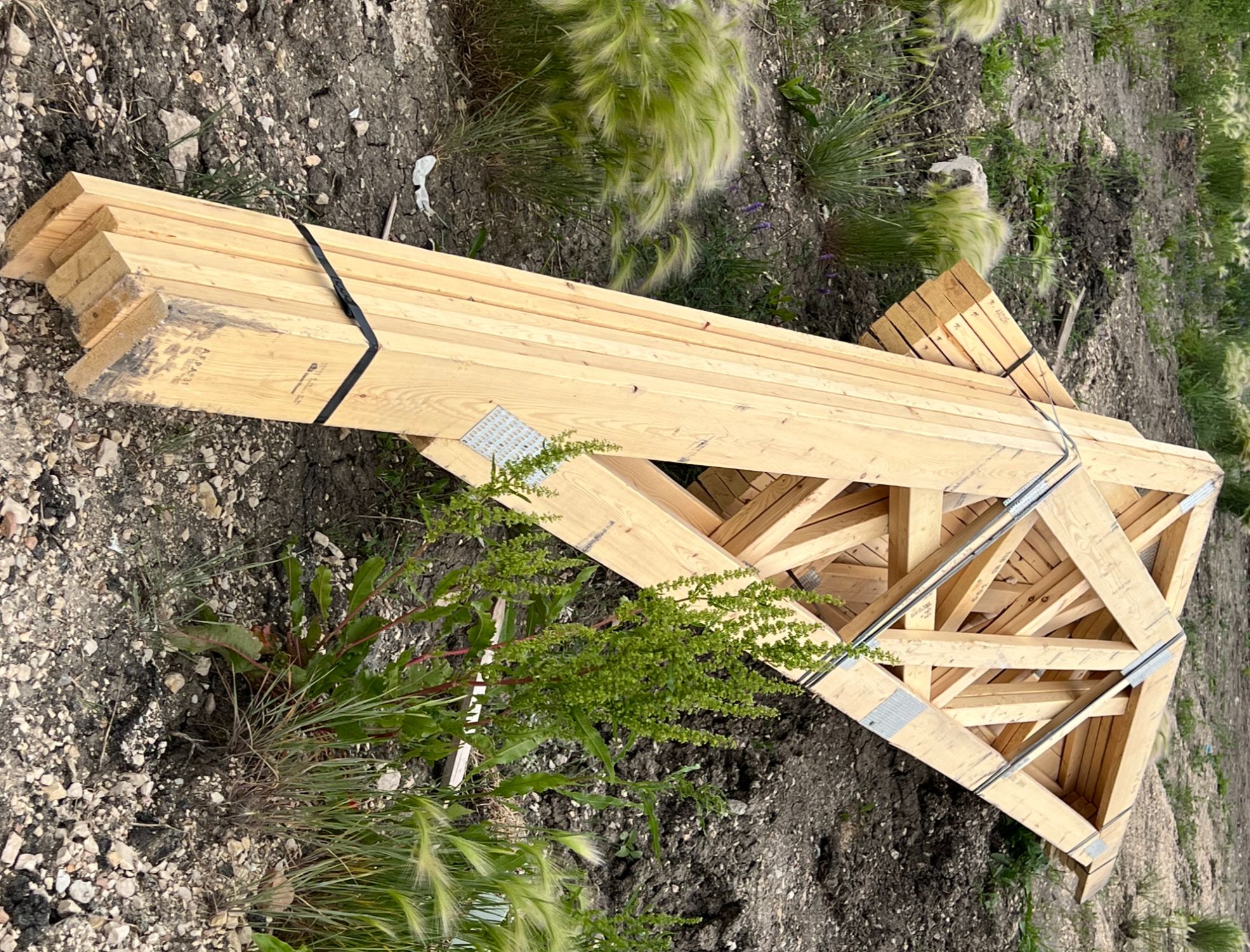
What Are Trusses?
Roof trusses are pre-engineered triangular wood frameworks that span the width of your home. They transfer the weight of the roof to the exterior walls, which means in most cases, the interior walls aren’t carrying that load, making open floor plans more achievable.
What Happens to Trusses When You Remove a Wall?
-
Interior partition walls - In most truss-built homes, many interior walls aren’t load-bearing. Removing them won’t affect the trusses’ ability to carry the roof load.
-
Bracing concerns - While not structurally “load-bearing,” some walls may help stabilize drywall, provide lateral support, or act as bracing for the ceiling plane. Removing them can cause cracks or movement if no reinforcement is added.
-
Modifying trusses is a no-go - Cutting, altering, or drilling into a truss to make room for changes (ducts, skylights, etc.) weakens the entire engineered system. Trusses work as one unit, so any change can compromise their strength.
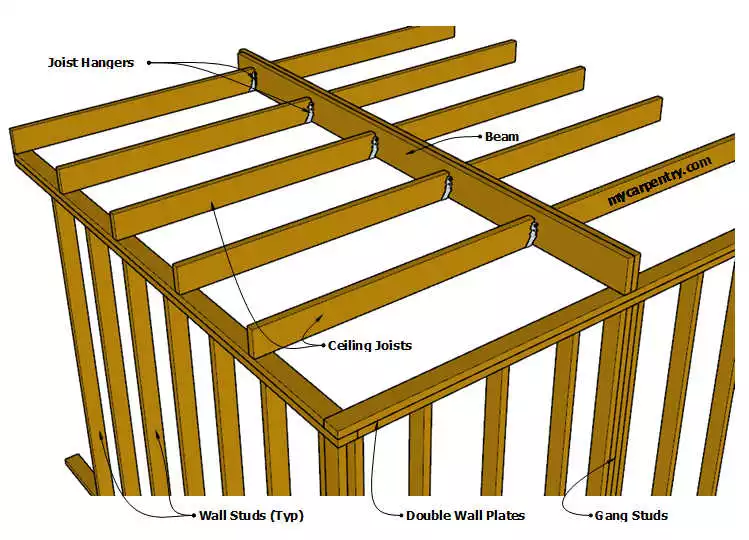
How Beams Work as Load-Bearing Supports in a Home
When you think about what holds up your home, you might picture walls or posts, although, beams are one of the most important structural elements that keep everything stable and supported.
What Is a Beam?
A beam is a strong horizontal support, typically made from wood, steel, or engineered lumber. Its main job is to carry weight from above—such as floors, ceilings, or the roof—and transfer that load down to posts, walls, or the foundation.
How Beams Are Used in Homes
-
Replacing load-bearing walls - When a wall is removed to create an open floor plan, a beam is installed to carry the load that the wall once supported.
-
Supporting floors - Beams often run across the basement or crawl space to carry the weight of floor joists above.
-
Carrying roof loads - In some designs, beams support roof trusses, ceiling joists or rafters, especially in wide, open spans.
-
Bridging large openings - Beams are placed over windows, doors, or wide entryways to prevent sagging and keep the structure stable.
Why Beams Matter
Without beams, the weight of your home wouldn’t be properly distributed. They allow for open spaces, larger rooms, and modern layouts while ensuring the structure remains safe and sound.
Immediate Effects of Removing a Beam in a Home
-
Loss of support - The weight that the beam was carrying no longer has anywhere to go.
-
Sagging or cracking - Floors and ceilings above may start to sag, and drywall can crack as the structure shifts.
-
Uneven movement - Joists or trusses connected to the beam can twist, bow, or separate.
Long-Term Risks of Removing a Beam
-
Structural instability - Over time, the lack of support can cause serious misalignment in the home’s framework.
-
Safety hazards - In extreme cases, removing a beam can lead to partial collapse of the floor or roof system.
-
Decreased value - An improperly altered structure will raise red flags during a home inspection and can lower resale value.
Why Beams Can’t Just Be Taken Out
Every beam is carefully designed to carry a specific load. If you remove one, you must replace it with an alternative support system, such as:
-
A new beam sized correctly for the span and load
-
Posts or columns beneath the beam to share the weight
-
Engineered solutions like steel beams or laminated veneer lumber (LVL)
Final Thoughts
Thinking of knocking down a wall to reimagine your space? It's a big move, literally! Let a trained professional guide the planning, structure, and safety. If you'd like, I can connect you with trusted local engineers, contractors, or permit experts who can steer your project toward a beautiful, worry-free result.
Tara Zacharias, REALTOR®
Categories
Recent Posts









Leave a Reply
 REALTOR®
I became a REALTOR® because I truly enjoy helping people find the place that feels like home and because providing exceptional service during such an important moment in someone’s life is something I genuinely care about. Supporting sellers as they move on, move up, or move forward is just as meaningful, and being part of that transition is something I’m grateful to contribute to.
I make the buying or selling journey feel organized and approachable with clear communication and practical guidance. With an approach supported by market data, trends, and neighbourhood insights, you'll always understand what’s happening and how to make the most informed decisions.
Whether you’re buying your first home, selling a place filled with memories, or planning your next step, I’m here as someone who listens, shows up, and puts your goals at the centre of every decision. I'm focused on what serves you best and I make your best interests my TOP priority.
I'm Tara Zacharias, a real estate salesperson located in the vibrant city of Winnipeg. Thanks for stopping by and taking the time to get to know me!+1(204) 293-0933 tara@tarazacharias.com330 St Mary Ave, Winnipeg, MB R3C 3Z5, CAN
https://tarazacharias.com/